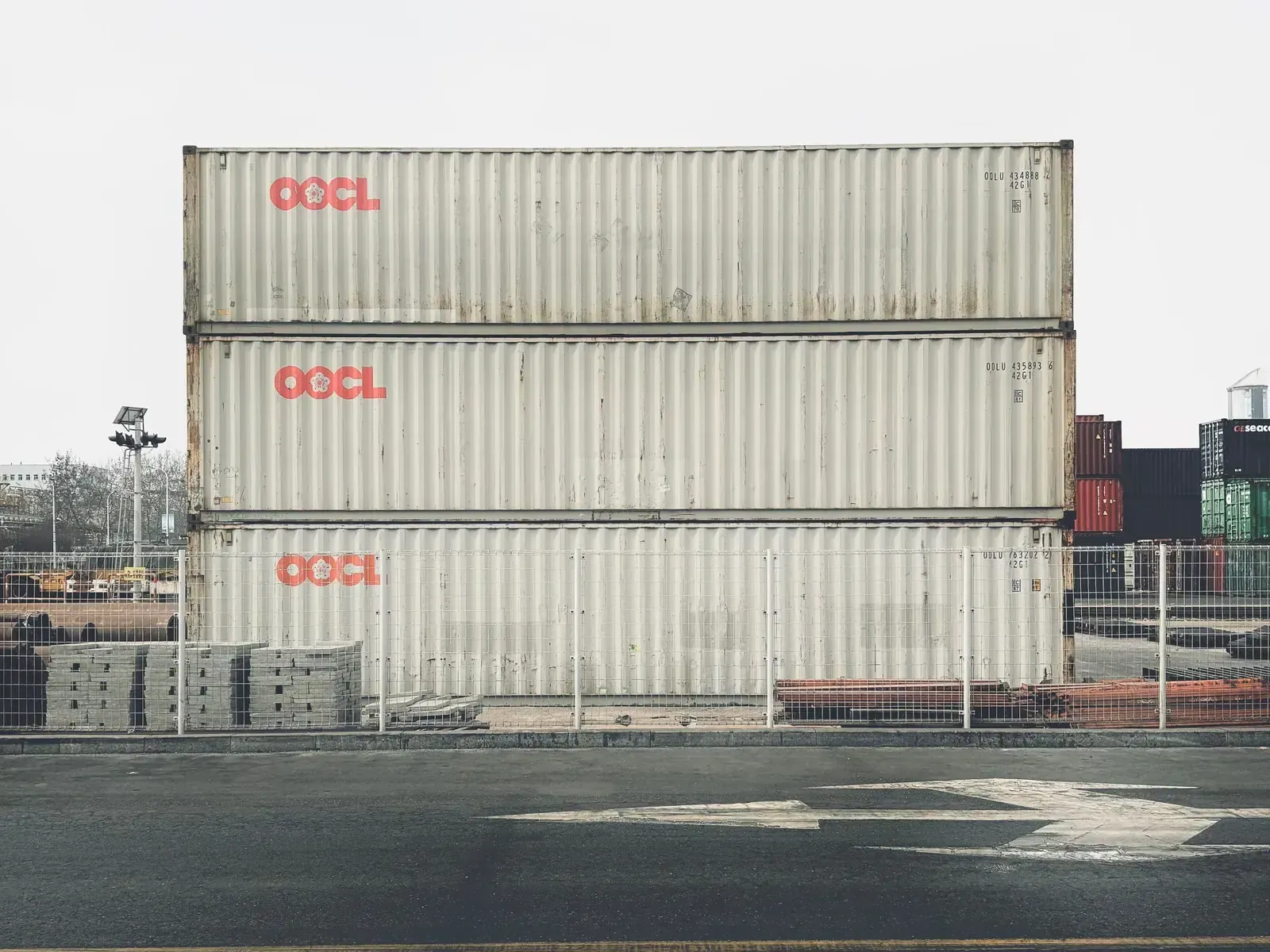
In this guideShow
What you are really verifying
“The supplier exists” is not the same as “the supplier will deliver my product, at the agreed quality, on the agreed terms”. Before importing from China you need answers to three separate questions:
- The legal entity: is the name on the business licence, the invoice and the bank account the same registered company?
- The product: do the sample and documents match what you are allowed to sell in your market — safety, labelling and the tests that actually apply to it?
- Delivery: can the company show real production or trading capacity, and name a lead time, MOQ, packaging standard and a responsible person?
China’s National Enterprise Credit Information Publicity System (国家企业信用信息公示系统) lets you search by company name, Unified Social Credit Code or registration number, and shows separate sections for abnormal operations and serious violations. It cannot tell you whether the company is a good trading partner. Treat it as the first identity check, not a verdict.
Eight checks before your first payment
| Check | What to compare | When to stop the payment |
|---|---|---|
| 1. Company identity | Chinese legal name and 18-character Unified Social Credit Code in the register and on the licence | Name or code does not match, or the company is listed for abnormal operations |
| 2. Person and contact | Named contact, company email, a live video call and a contact found independently | Only a private chat account and no verifiable call |
| 3. Product | Sample, drawing, material, tolerances, packaging and document version | The specification stays vague or changes after your questions |
| 4. Certificates | Number, holder, product scope, validity and issuer in the official system | A PDF with no number, another holder or a different product |
| 5. Production | Current video, machines, warehouse, team and an order in progress | Catalogue photos only, or repeated refusal to show the site |
| 6. Commercial terms | MOQ, Incoterms, lead time, price, inspection and claims process | “We will sort it out later” or verbal promises only |
| 7. Bank account | The beneficiary on the proforma, contract and invoice is the same company | A new account sent by email, or a third party with no explanation |
| 8. First order | A sample or small trial run with measurable checks and payment milestones | 100% upfront demanded without a reasonable explanation |
Save this checklist with the enquiry. For every row you want a document, a screenshot, a photo or a written answer — not just a good feeling from fast replies.
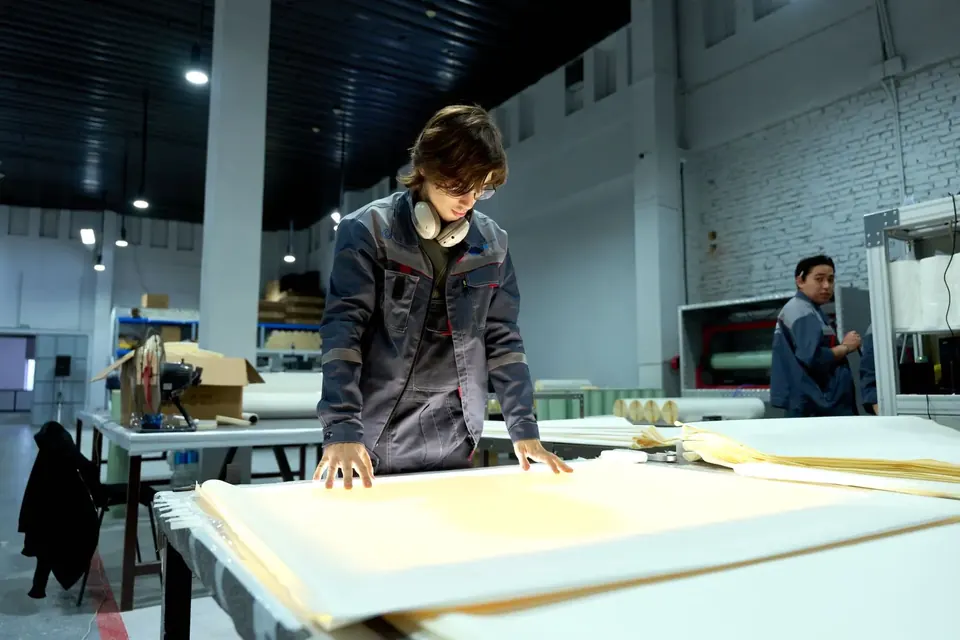
1. Start with the legal name, not the shop name
Ask for the full legal name in Chinese, the Unified Social Credit Code (统一社会信用代码) and a photo of the business licence (营业执照). The 18-character code is more useful than an English trading name, which several companies — or a reseller with no factory — may use.
Enter the code or Chinese name in the national register and compare at least the company status, registered address, legal representative and business scope. If you only have an English name, ask the supplier for the exact Chinese spelling instead of guessing a translation. A record of abnormal operations or serious violations is not a detail to postpone; it is a reason to ask for an explanation and check it independently.
If the company says it exports regularly, ask about its customs registration and, where it claims it, AEO status. China Customs publicly describes a credit system built on registration data, import and export activity, licences and penalties. AEO is not mandatory for a good factory, but it is another verifiable signal for a larger order.
2. A certificate only matters for the right product
Suppliers sometimes send a CE, ISO or test report PDF that belongs to another product, an older version or a different holder. Start with the product: send a clear specification with photos, model, material, dimensions, performance, tolerances, packaging and your target market. Then ask which mandatory requirements apply to that exact item. For regulated goods, never decide from a single PDF — as the importer, you carry your own legal responsibility.
For Chinese certifications, check the certificate number, status, holder, scope and certification body in the CNCA public search. A management-system certificate such as ISO 9001 describes a system; it does not prove that a specific product complies with EU, UK or US rules.
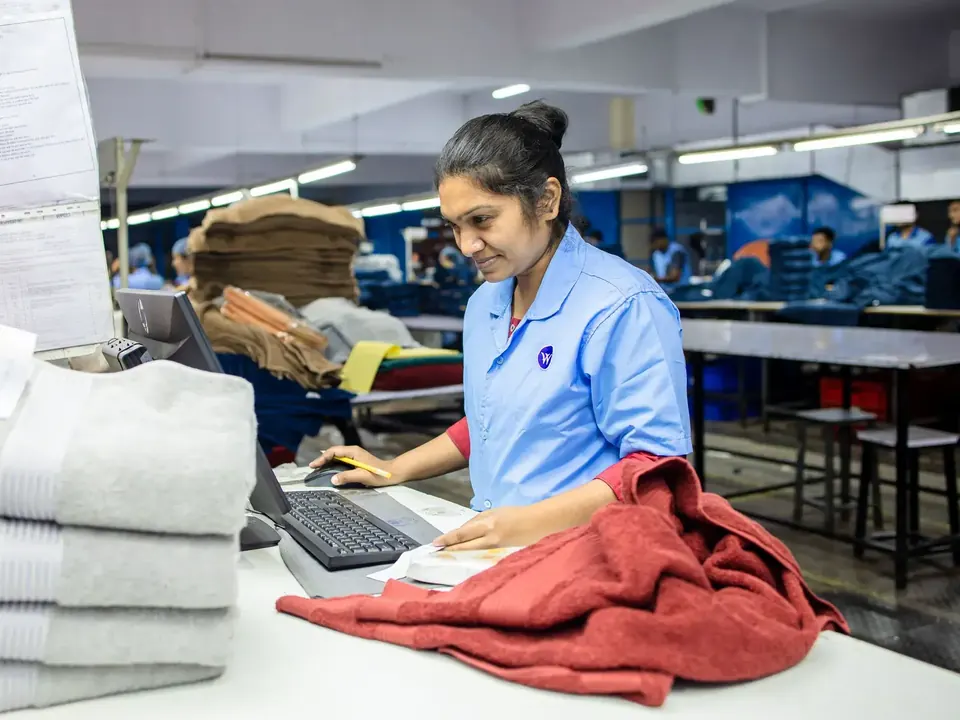
3. Tell a trading company from a factory — without paranoia
A trading company is not automatically a problem. It may offer better service, an export team and access to several factories. The risk starts when it presents itself as the manufacturer but cannot say who actually makes your product, or hides a change of factory. Ask directly on the first call: “Are you the manufacturer, a trading company or both? Who is the legal manufacturer of my model?”
For a remote check, ask for a short live video call, not a pre-recorded promo. Ask to see the entrance with the company name, the production line relevant to your product, raw-material storage, packing and one item from current production. Check that answers about machine capacity, staff, lead time and inspection match the quotation. With electronics from Shenzhen, the difference between an assembly workshop, a development partner and the brand owner often matters more than the address.
When losing the order would hurt your business, an independent visit or a pre-shipment inspection is worth it. On site you can compare machines, stock, subcontracting, the quality-control process and real order records. A visit is still not a legal audit or a guarantee of future quality, but it removes a large blind spot. If you are already coming for the Canton Fair, build the visit into the same trip — see Canton Fair interpreter and buyer support.
4. Bank account, sample and first payment: limit the damage
Compare the bank details character by character with the proforma invoice and the contract. The beneficiary should be the same company you checked in the register. If a “new account” arrives by email, do not confirm it by replying in the same thread. Call a number you obtained earlier from an independent source and have a responsible person confirm the change. A different beneficiary can have a legitimate reason, but you need a documented one before you pay.
Before mass production, order a sample and approve it in writing. Record photos, measurements, material, weight, colour, packaging and tolerances, and label them with a document version. A sample does not prove consistency in mass production, but it gives you an object to inspect against. For a first order, start with a smaller trial run and link payments to events you can verify: sample approval, production complete, independent inspection and shipment. The right split depends on your product and contract; this is not a universal Incoterms guide or legal advice. Read how to plan those checks in quality control in China.
When the right answer is “not yet”
- Mismatched name or account. The company you checked is not the one receiving the money.
- Pressure to pay now. “Today’s last price” should never cancel identity, sample or term checks.
- A vague specification. The price looks good but nobody names the material, version, tolerance or packaging.
- Documents unrelated to the product. Another model, another company, an expiry date or no traceable origin.
- No reasonable inspection. The supplier refuses a sample, a video call or a pre-shipment check.
- “We will get the certificate later” for regulated goods. Do not pay for production you may not be able to sell legally.
These are reasons to pause, not automatic accusations of fraud. A genuine supplier can usually explain, correct or document them. If the answers create new contradictions, the cheapest mistake is the order you have not sent yet.
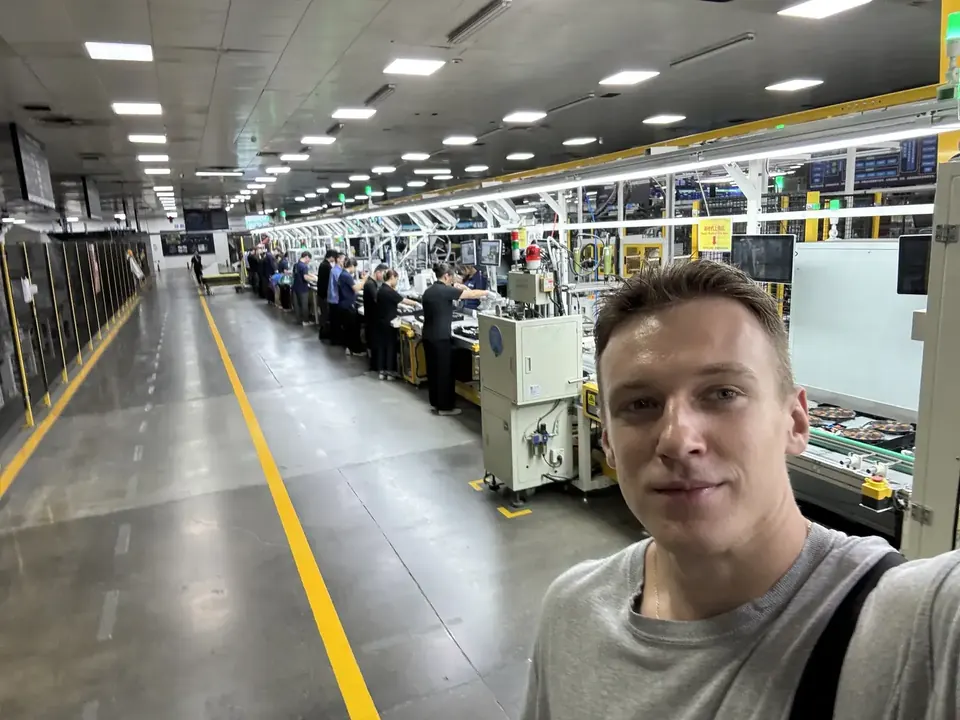
Decide on evidence, not on rapport
- Close the identity loop. Register, licence, people and bank must tell one story.
- Close the product loop. Approve the sample and specification, including what must be proven for your market.
- Check delivery. A video call or visit should show a real process, not marketing.
- Write the terms down. Price, MOQ, lead time, Incoterms, inspection and claims belong in a document, not only in chat.
- Start proportionately. The first payment and batch should match how much you have verified.
If something contradicts an earlier step, go back a step. In sourcing, the ability to say “not yet” is often worth more than speed. Choosing where to find suppliers in the first place? Compare Alibaba, 1688 and Made-in-China.
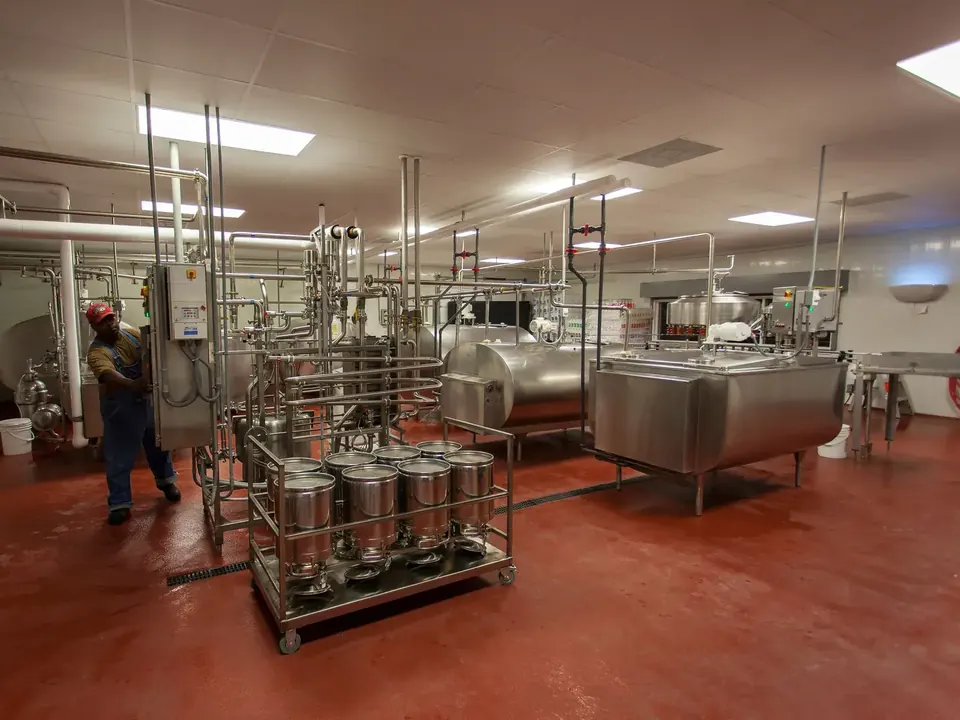
Sources and how this guide was checked
Checked on 23 October 2026. Before every payment, check the record for the exact company and product; status, documents and bank details can change.
- National Enterprise Credit Information Publicity System — search the Chinese legal name or Unified Social Credit Code; compare basic data and abnormal-operation records.
- Certification and Accreditation Administration of China (CNCA) — check certificate number, status, holder, scope and issuing body.
- General Administration of Customs: enterprise credit management — what registration, customs and penalty information the credit system records.
- European Commission: obligations of importers — the importer’s own responsibility for products placed on the EU market.
