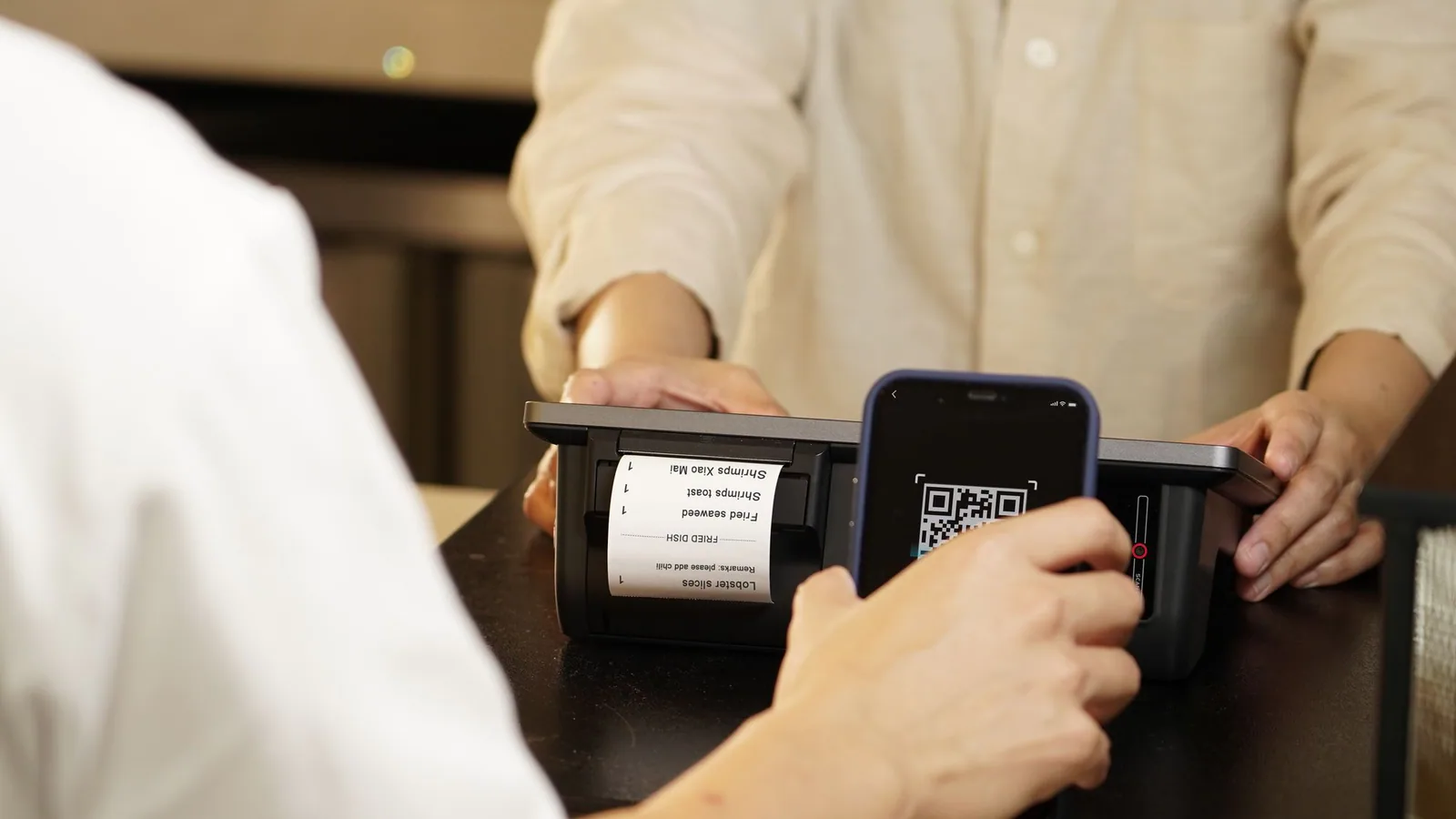
Alipay vs WeChat Pay: which should you use in China?
Set up both if you can — but if you only do one, start with Alipay, which tends to be the more reliable for foreign cards and bundles handy travel tools (transport, translation, mini-programs). WeChat Pay is worth having too, since WeChat is also how people message and how I’ll stay in touch during your trip.
How to set up Alipay (foreign card)
- Download Alipay and register with your phone number.
- Verify your identity with your passport (a photo upload; usually quick).
- Add an international card — Visa, Mastercard, JCB and others are supported.
- Try a small payment to confirm it works before you rely on it.
WeChat Pay follows the same idea: inside WeChat, open Me → Services/Wallet, add a bank card, and complete passport verification.
Limits & fees to expect
For foreign-linked cards, typical caps are around ¥5,000 per transaction and roughly ¥50,000 per year. Small payments (commonly under ¥200) usually carry no fee, while larger ones may add a percentage-based fee (around 3%). These figures move, so check the current terms in the app — but for everyday spending they’re rarely a problem.
Paying, step by step
- You scan them: open “Scan” and point at the merchant’s QR code, enter the amount, confirm.
- They scan you: show your “Pay” code and the cashier scans it.
- Transit: add the metro/transport mini-program for tap-to-ride in most cities.


Troubleshooting
- Card declined? Try your other card, or switch between Alipay and WeChat Pay. Some banks block first attempts — a quick call to your bank helps.
- Verification stuck? Good lighting and a flat passport photo usually fixes it; try again on a stable connection.
- Big purchase over the limit? Split it, use cash, or plan ahead — this is where the annual/transaction caps matter.