
Your pre-flight checklistShow
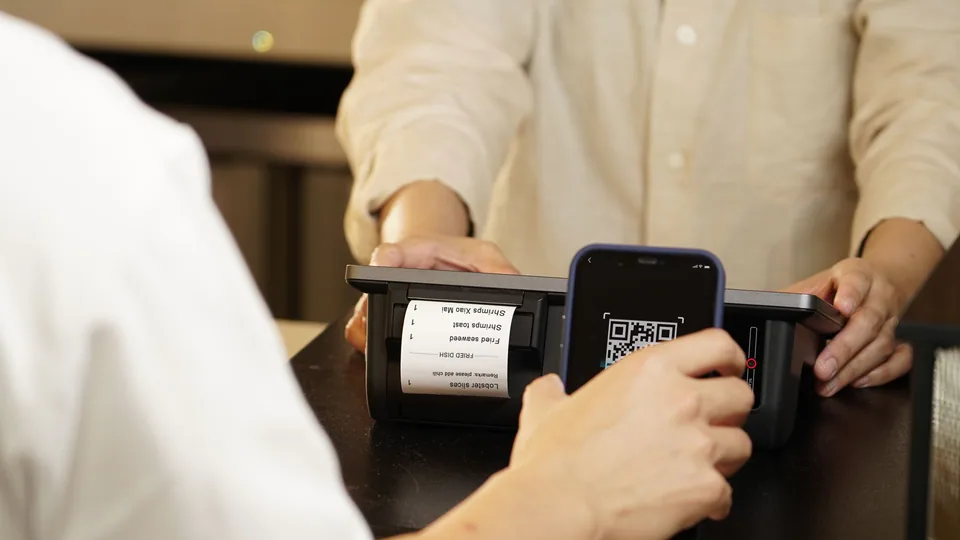
Payments ready
Set up Alipay and WeChat Pay before you depend on them.
Internet that works
Choose connectivity before landing, not after your usual apps stop loading.

Connections understood
Know the apps, stations and documents before your first travel day.
1. Visa & entry
Through 31 December 2026, ordinary passport holders from most EU countries, the UK, Canada and many others can enter mainland China visa-free for up to 30 days for tourism, business, family visits, exchange or transit. The policy is temporary and eligibility depends on the passport and purpose of travel. Check the current official National Immigration Administration country list and the Chinese embassy responsible for your passport before booking.
2. Payments — the most important step
Foreign cards work where supported card-network logos are displayed, especially at hotels and larger retailers, but acceptance is inconsistent. For most visitors, the most reliable combination is Alipay and WeChat Pay linked to an international card, with some RMB cash as a backup. Set both apps up before departure. Full walk-through in the Alipay & WeChat Pay guide.
3. Internet, eSIM & VPN
Google, WhatsApp, Instagram, Facebook and many Western sites are blocked on mainland China’s network. Read the full China eSIM and internet guide, then plan for it:
- Get a travel eSIM that routes through outside China (many keep your usual apps working), or a local SIM if you prefer.
- Install and test a reputable VPN before you arrive — they can’t reliably be downloaded once you’re inside.
- Download offline maps; Apple Maps works well, and Amap/Baidu Maps are the local standard.
4. Apps to install before you go
The best apps for China travel guide explains the complete setup. At minimum, install:
- Alipay and WeChat — payments, transport, translation, mini-programs.
- Didi (in Alipay or standalone) — ride-hailing.
- A translation app — Google Translate’s offline pack, or the translator inside Alipay.
- A metro app or the metro mini-program inside Alipay for tap-to-ride.
5. Getting around
High-speed rail is fast, punctual and connects the whole region (Shenzhen–Guangzhou in about 30 minutes). City metros are cheap, clean and English-signed. Didi replaces street taxis once your payment works. Book train tickets with your passport via Trip.com or the official rail app; the China high-speed train guide explains booking, stations and boarding.
6. Money, health & etiquette
- Carry a little cash as backup, but you’ll rarely need it.
- Bring any personal medication with prescriptions; pharmacies differ.
- Tap water isn’t for drinking — bottled or boiled is the norm.
- Tipping isn’t expected in most places.
- Carry your passport; hotels normally complete accommodation registration at check-in. For a private stay, read the 24-hour accommodation-registration guide.
- Planning meaningful shopping? Check the current tourist tax-refund rules before you pay, because the store and invoice must qualify.
Where to go
If you’re landing in the south, start with the Shenzhen, Guangzhou, Hong Kong and Macau guides — or let me build you a custom itinerary.