In this guideShow
How to book China high-speed train tickets
Foreign visitors have three practical options. The official choice is the China Railway 12306 English website or app. China’s official guide confirms that foreign travellers can use a passport, complete identity verification and pay through supported foreign cards or mobile-payment apps. A third-party booking platform may be easier in English, but compare its service fee and change rules before paying.
- Create an account and enter your name exactly as shown on the passport.
- Complete passport verification. Automatic verification may be quick; manual review can take longer.
- Search using the full departure and arrival station, not only the city.
- Select the train number, date and seat class.
- Save the confirmation and train number offline.
The sales window and availability rules can change. On popular dates, prepare your account before tickets open. Golden Week, Chinese New Year and Friday-evening departures sell much faster than an ordinary weekday.
Your passport is effectively the ticket
China uses real-name e-tickets. You normally do not need a paper ticket: the passport used for the booking is checked at the station and again if staff request it. The official 12306 FAQ states that a printed itinerary sheet is not a travel ticket.
If an automatic gate does not read a foreign passport, use the staffed lane. This is normal and does not mean the booking is invalid. Keep a screenshot showing the train number, carriage and seat so you can show staff without relying on mobile data.
The most expensive mistake: the wrong station
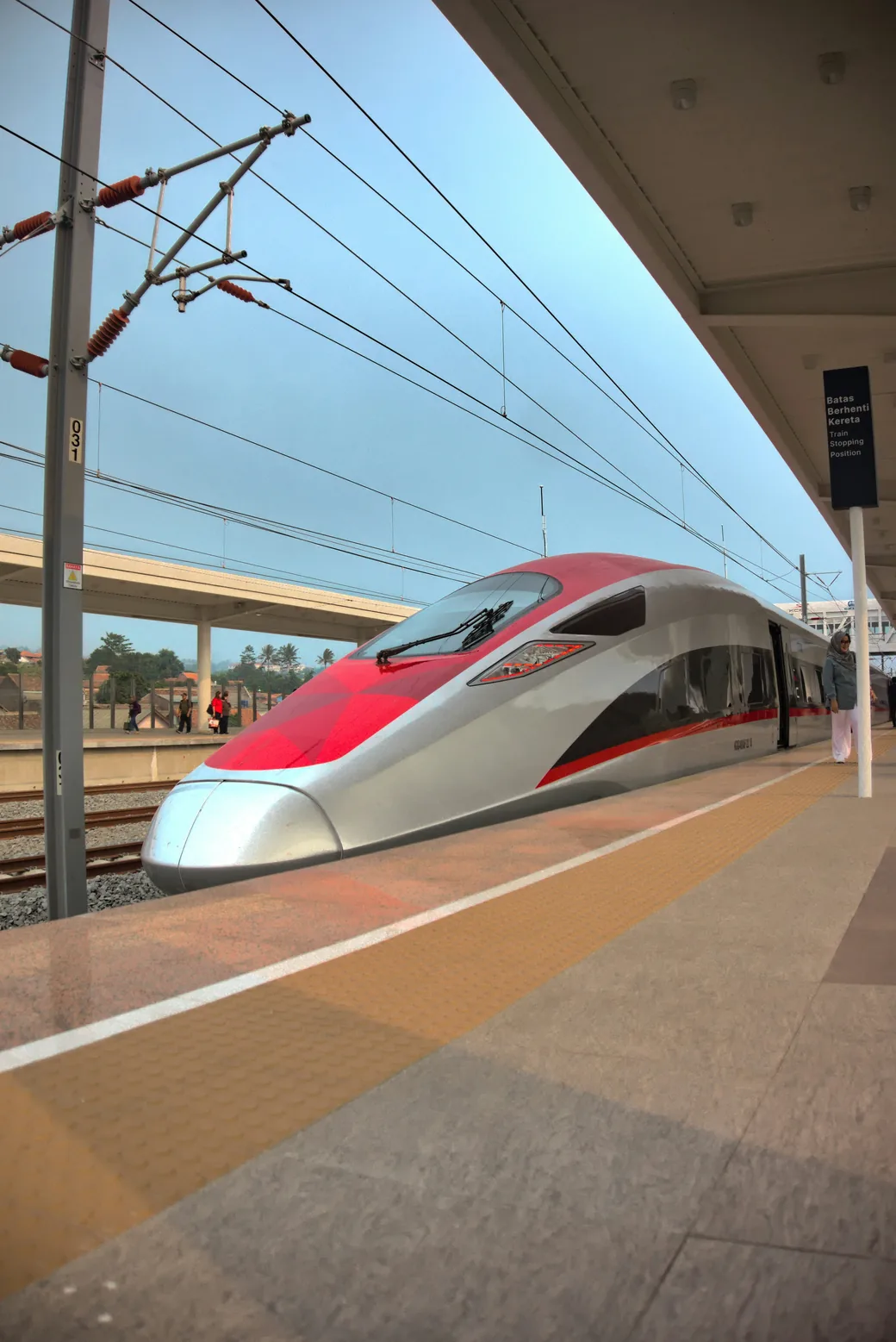
Large Chinese cities have several stations, and they can be an hour apart. Read every word of the station name:
- Shenzhen North is the main national high-speed hub.
- Futian is underground in the central business district and serves selected high-speed routes, including Hong Kong.
- Shenzhen Railway Station is beside Luohu and is convenient for the Hong Kong land border.
- Guangzhou South is the main high-speed hub but is not in central Guangzhou.
Open the station in your map app before buying. A slightly slower train from a better station can save more time than the fastest train from the wrong side of the city.
Second class, first class or business class?
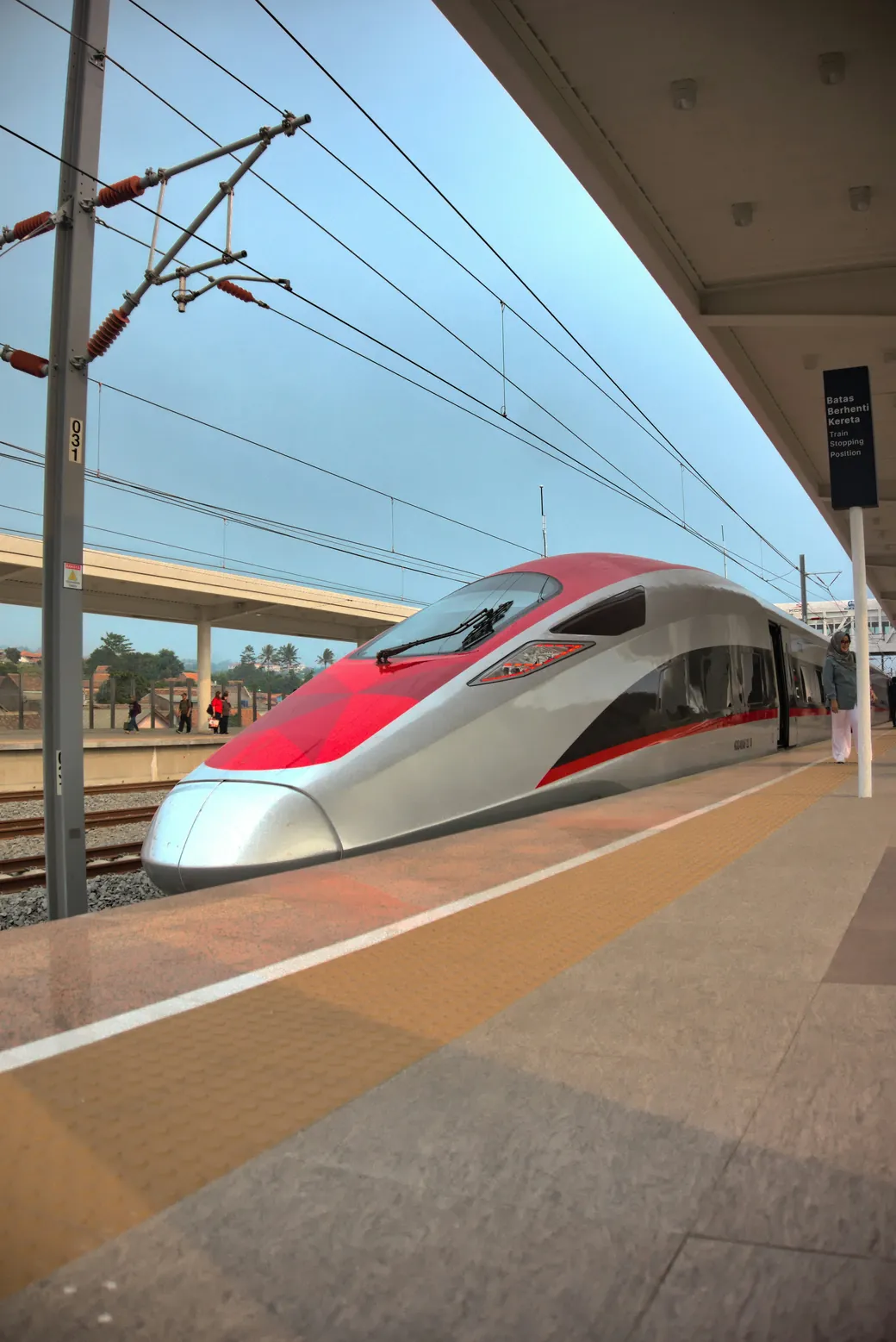
Second class is comfortable for most travellers and offers the best value. Seats are usually arranged 3+2. First class has wider seats in a 2+2 layout and is useful for a longer trip or workday. Business class is the premium option on selected trains, often with lie-flat or deeply reclining seats, but availability and price vary significantly.
For Shenzhen–Guangzhou, second class is normally enough. For several hours with luggage, first class can be a sensible comfort upgrade.
What happens at the station
- Entrance check: show or scan the passport linked to the booking.
- Security: bags go through an airport-style scanner.
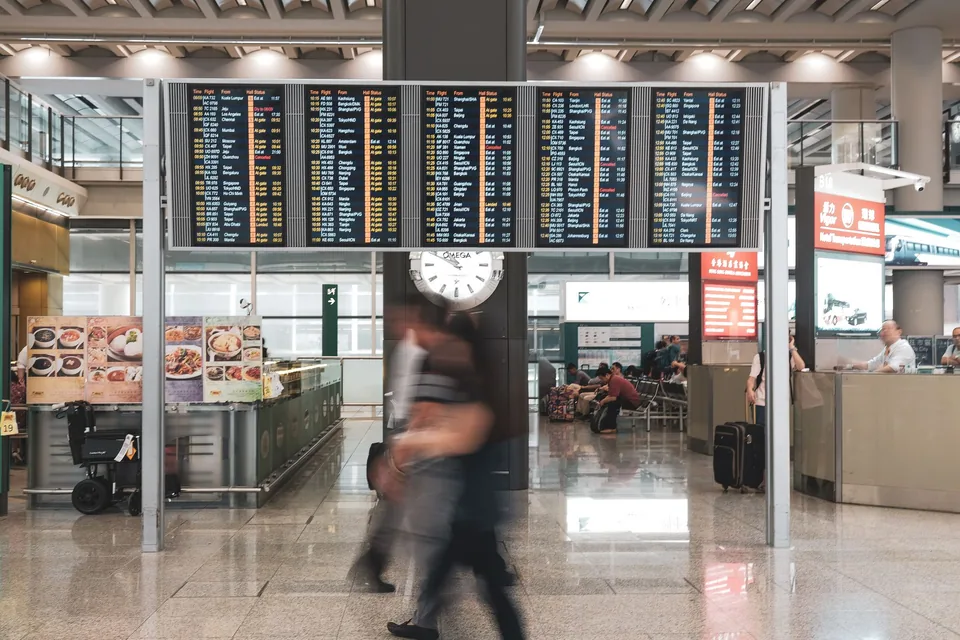
- Waiting hall: find the gate on the departure board using the train number.
- Boarding: gates usually open shortly before departure and close before the train leaves.
- Platform: carriage markers show where to queue.
Chinese stations are organised but large. Forty-five to sixty minutes is comfortable for a first journey. Add more during major holidays, at West Kowloon when crossing the border, or if passport verification is incomplete.
Luggage, power and food
Keep luggage compact enough to move through security and lift into a rack. Large suitcases usually go in the storage area at the end of the carriage; keep valuables and travel documents with you. Official size and weight rules can vary by train and are enforced more strictly for unusually large items, so check the current ticket conditions if you carry sports equipment or oversized cases.
Most high-speed trains have power sockets, toilets and hot-water dispensers. Food carts and station shops are common, but buying a meal before boarding gives you more choice. Bring tissues and a refillable bottle.
Useful high-speed routes in southern China
- Hong Kong West Kowloon–Futian: selected trains take about 14 minutes, before border and station time.
- Shenzhen North–Guangzhou South: frequent services, often around 30–40 minutes.
- Shenzhen–Guilin/Yangshuo: a practical connection from the Greater Bay Area to karst landscapes.
- Guangzhou/Shenzhen–Xiamen: useful for a coastal extension.
For a border journey, continue with the detailed Hong Kong to Shenzhen guide. For the wider trip setup, see the China travel checklist and essential China apps.