
In this guideShow
Three model budgets for 10 days
The model covers nine nights, two cities, ordinary meals, city transport, one high-speed train and paid attractions, per person for two people sharing a room. Amounts are in Chinese yuan, the currency you will actually pay in; the totals are converted at the European Central Bank reference rates of 3 November 2026 (EUR 1 = CNY 7.459 and US$1.118). Your bank or card scheme will use its own rate and may add a fee.
| Per person (CNY) | Budget | Mid-range | Comfortable |
|---|---|---|---|
| Hotel, 9 nights, sharing | 1,400–2,300 | 2,800–5,000 | 5,700–9,600 |
| Food and drinks | 1,100–1,700 | 1,900–3,100 | 3,400–5,700 |
| City transport | 270–540 | 600–1,200 | 1,400–2,700 |
| High-speed train or domestic hop | 300–700 | 600–1,400 | 1,150–2,450 |
| Entry tickets, data and extras | 600–1,150 | 1,150–2,150 | 2,000–3,800 |
| Total without flights | 3,700–6,400 ≈ €490–860 · US$550–960 |
7,050–12,850 ≈ €950–1,720 · US$1,060–1,930 |
13,650–24,250 ≈ €1,830–3,250 · US$2,050–3,630 |
These ranges are a planning frame, not hotel quotes. Travelling solo costs more per person because you pay the whole room. Beijing and Shanghai usually cost more than smaller cities for a comparable location.
The flight is the biggest variable
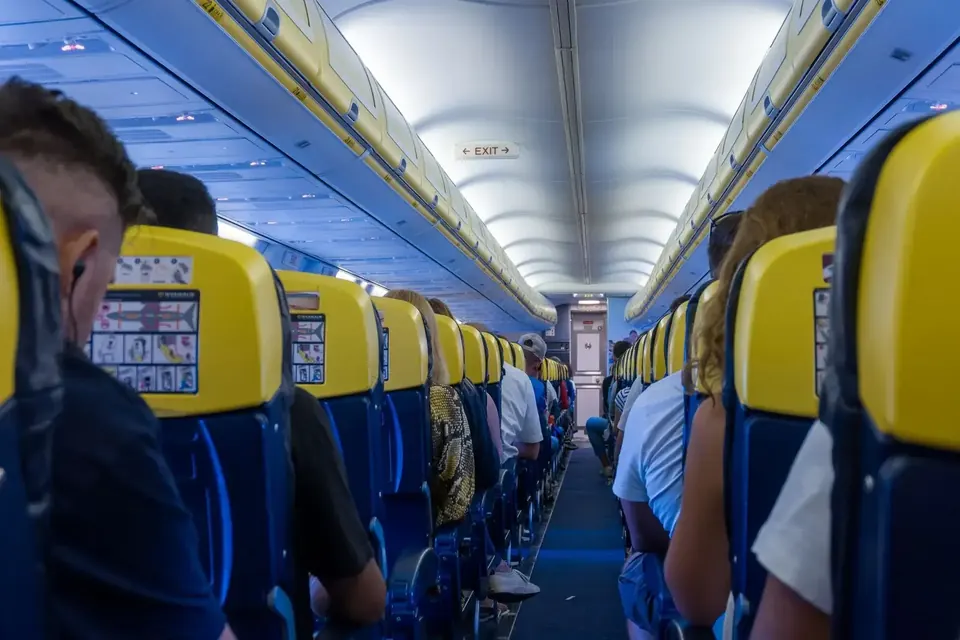
Do not reduce the international flight to one universal number. The price changes with your departure airport, the number of stops, baggage, holidays and how far ahead you book. Compare the final price including checked baggage and change conditions.
An open-jaw route — arriving in one city and leaving from another — can save a return transfer but sometimes costs more. In the Greater Bay Area, compare Hong Kong, Shenzhen and Guangzhou together with the cost and time of the transfer. A cheaper flight is no bargain if it forces an extra night or a complicated late transfer.
Hotels: location is part of the price
A hotel near the metro or near your programme can cost more per night but less per day. Long rides across Beijing, Shanghai, Guangzhou or Shenzhen cost time and, with frequent ride-hailing, money. When booking, check the exact address, the nearest metro exit, reception hours, breakfast, cancellation and whether the hotel accepts foreign passports.
Solo travellers do not split the room. For two people, a mid-range hotel is often better value than two cheap beds far from the centre. During Chinese New Year, Golden Week, trade fairs and big events, prices and availability can change sharply — in Guangzhou especially during the Canton Fair.

Food and transport: small items add up
Local canteens and food courts can be very affordable; Western restaurants, hotel breakfasts and bars in premium districts push the average up fast. Budget for water, coffee, station snacks and an extra meal on long days.
The metro is the backbone of a city budget. Ride-hailing is great for the first and last mile, luggage or late returns, but costs and time grow in rush hour and on long trips — see the DiDi guide. Buy high-speed train tickets with your passport through the official 12306 service or another trusted channel and allow for the transfer to a large station.
For payments, carry Alipay or WeChat Pay, a physical card and a reasonable amount of cash. Exchange rates and card fees change the result; the details are in the Alipay and WeChat Pay guide.

What people forget to budget for
- An eSIM, local SIM or roaming data (eSIM guide).
- Travel insurance and medicines in original packaging.
- Checked baggage on domestic flights.
- Transfers between airport, station and hotel.
- Laundry, luggage storage and hotel deposits or card holds.
- Timed-entry tickets that must be booked ahead.
- Bank exchange rates and card fees.
- An emergency reserve for a new flight or hotel.
Keep 15–20% of the budget outside your daily limit. Not because China is unpredictable, but because on any trip the most expensive problem is the one you have to solve without a reserve.
How to separate trip costs from a guide’s fee
Planning, consulting or personal guiding is a separate service. It is not the price of the hotel, transport or tickets: with my service, clients choose, book and pay third-party providers directly, so you always see the real supplier price. Private guiding starts at €220 a day for a group of up to four — see the Shenzhen private guide page.
When comparing two options, keep three lines: your own travel costs, the guide or planning fee, and the reserve. That shows what changes with a different hotel or programme and what you pay for preparation or time on the ground.
Two examples: the same 10 days, very different totals
A couple in Shenzhen and Guangzhou. Nine nights in a well-connected hotel, the metro, a few ride-hailing trips, local food, a high-speed train between the cities and paid attractions land close to the mid-range model. The couple shares the room and needs no domestic flight. The biggest risk is the Canton Fair, when Guangzhou hotel prices can rise sharply.
A solo traveller in Beijing and Shanghai. The same nights cost more per person because one person pays the whole room. A longer train or domestic flight, transfers to big stations and pricier central locations push the total up. A solo traveller can choose a smaller room and more flexible meals.
For both routes, set separate daily limits for food, transport and tickets, and track the hotel, big transfers and the flight separately so one large payment does not distort daily spending. After the first two days, adjust the model to what you actually paid.

What to check before you decide
For a 2027 trip, recalculate the model with the current exchange rate and real prices for your dates. Do not use this guide as a price list. Search for a flight with baggage, then three suitable hotels and the specific domestic transfer; those three items show whether the overall frame works.
If you need to save, first cut expensive transfers and adjust the hotel location without losing hours. Saving on insurance, a critical connection or your only backup payment creates more risk than benefit. For a complete first-trip checklist, see China travel tips.
Sources and how this guide was checked
Model and exchange rates checked on 4 November 2026. Prices, rates and rules change; recalculate with real prices for your dates before booking.
- European Central Bank: EUR/CNY reference rate — 7.4590 on 3 November 2026; the rate is for information only.
- European Central Bank: EUR/USD reference rate — 1.1179 on 3 November 2026.
- State Council: guide for foreigners in China — payments, transport, accommodation and SIM cards.
- China Railway 12306: FAQ — buying train tickets with a passport and travel rules.
