In this guideShow
Is China safe to visit? The short answer
For many tourists, large Chinese cities feel orderly and comfortable to explore, including after dark. Public transport is extensive, busy areas are well lit and violent street crime against visitors is not usually the main concern. Still, safety is broader than pickpocketing. Official travel advice highlights strict enforcement of local laws, scams, road risks, restrictions in some regions and the possibility of being prevented from leaving the country.
Check advice for your own nationality immediately before departure. The UK Foreign, Commonwealth & Development Office and the US Department of State publish current country guidance. Entry rules and advisories can change; this article is practical preparation, not a guarantee of safety or legal advice.
Everyday safety, scams and digital payments
Use the same practical habits you would in any major city: keep your passport secure, watch your phone in crowded transport and do not leave valuables unattended. Save copies of your passport, visa and insurance details somewhere you can access offline.
Be cautious when a stranger invites you to a tea ceremony, bar, massage venue or art exhibition and then presents an unexpectedly large bill. Confirm prices before ordering and do not scan unknown QR codes or approve unfamiliar payment requests. Use the payment record in Alipay or WeChat Pay rather than relying on a screenshot. Our Alipay China guide for foreign visitors explains how to prepare mobile payments.
Strict local laws, photography and restricted areas
Chinese laws apply to visitors even when the same behaviour is legal at home. Penalties for illegal drugs are severe, and authorities can test people without warning. Do not carry medication for somebody else. If you take prescription medicine, check the current import rules and carry it in original packaging with supporting documents.
Do not photograph military, police, government or other sensitive facilities. Ask before flying a drone: registration, real-name requirements and local no-fly zones may apply. Avoid demonstrations and political activity. Some border and minority regions have additional controls, permits or reporting requirements.
Official advisories also warn that foreign nationals can be subject to exit bans in legal, civil or business disputes. A person may not know about a restriction until attempting to leave. Business travellers should use written contracts, conduct due diligence and obtain qualified legal advice for disputes.
Transport and road safety
Metro and high-speed rail are usually the easiest options between and within major cities. Stations have security screening, so allow extra time and keep the passport used for the booking available. Read the China high-speed train guide before your first rail journey.
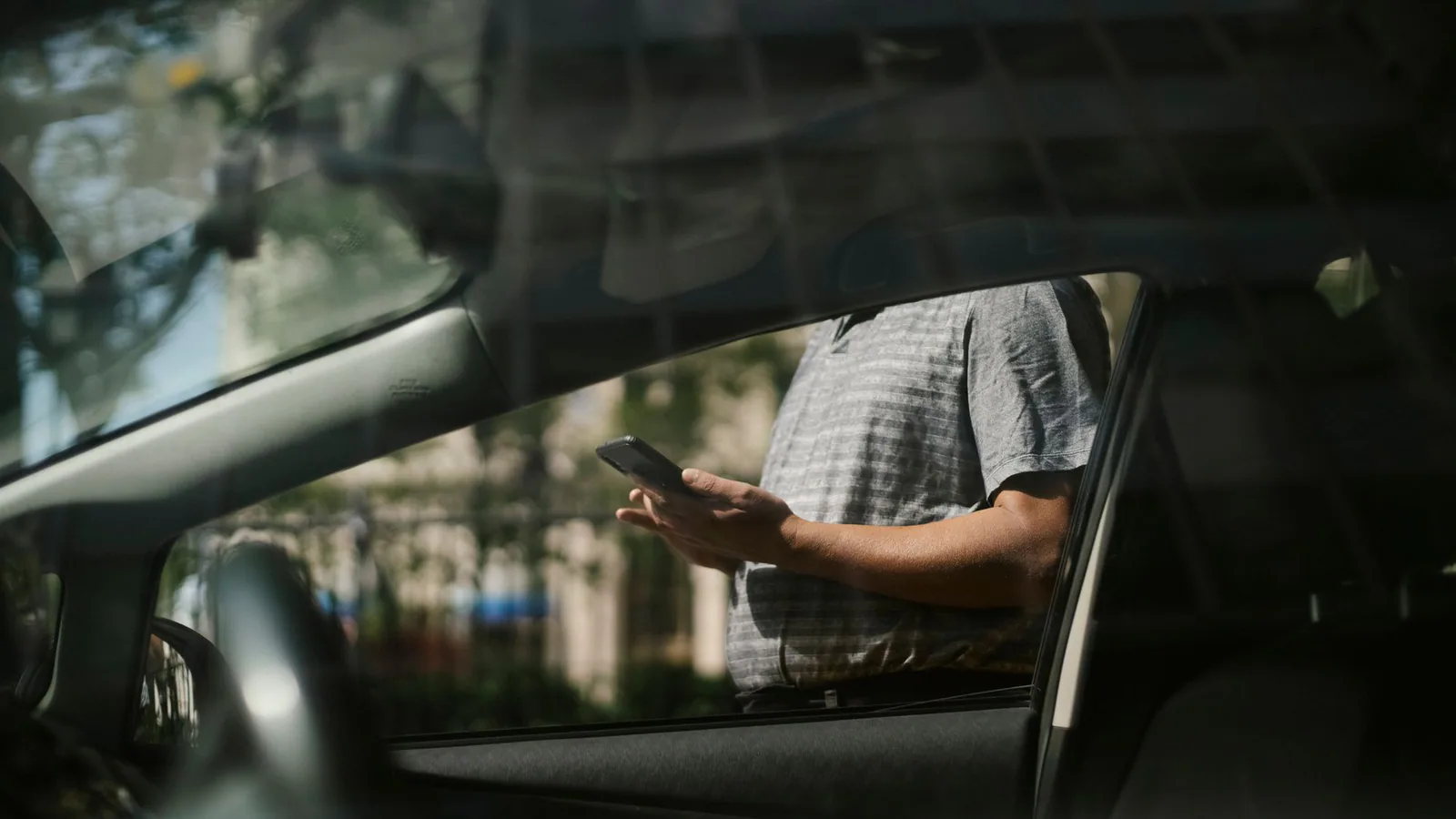
Road traffic can be less predictable than the street-crime environment. Watch for quiet electric scooters crossing pavements and junctions, use marked crossings and do not assume a vehicle will stop. Use an established ride-hailing app, confirm the registration and avoid unlicensed drivers approaching passengers at airports or stations.

Health, weather and travel insurance
Buy travel insurance that covers your planned activities and medical treatment. Private or international-standard care can be expensive, and providers may request payment before treatment. Take enough regular medication and confirm whether any medicine is controlled in China.
Air quality, heat and humidity can affect travellers with respiratory or cardiovascular conditions. Southern China also has mosquito-borne disease risk, while typhoons and heavy rain can disrupt Hong Kong, Macau, Shenzhen and the wider Greater Bay Area. Follow local weather alerts and adjust outdoor plans early. The UK health guidance for China is a useful starting point, alongside advice from your doctor and insurer.
Is China safe for solo travellers?
Solo travel is common in major cities, which have extensive public transport and busy streets. Keep normal precautions, share your route, avoid unlicensed transport and understand local laws. Reliable connectivity matters more when travelling alone, so install essential apps, download key addresses and set up an eSIM or local SIM for China before you depend on it.
If a route includes remote areas, late arrivals or several border crossings, send the plan to somebody you trust. A local contact can also check whether the timing, station and onward connection are realistic.
Emergency numbers in China
- Police: 110
- Fire: 119
- Ambulance: 120
- Traffic police: 122
English availability varies. Save your hotel, insurer and embassy or consulate contacts offline. If you need help, show your location in Chinese and ask a hotel, station or nearby business to assist with the call.
Prepare without overcomplicating the trip
A safe, smooth China trip is mostly the result of good preparation: correct entry documents, working payments, internet access, realistic connection times and an understanding of local rules. Use the first-time China travel checklist and the best apps for China travel to cover the essentials.
Frequently asked questions
Is China safe for tourists in 2026?
Many visitors experience low levels of everyday street crime, but no trip is risk-free. Official advisories also highlight strict local laws, exit-ban risks, scams, road safety and regional restrictions.
Is China safe for solo travellers?
Solo travel is common in major cities, which have extensive public transport and busy streets. Keep normal precautions, share your route, avoid unlicensed transport and understand local laws.
What are the emergency numbers in China?
Call 110 for police, 119 for fire, 120 for ambulance and 122 for traffic police. Save your insurer and embassy or consulate contacts offline as well.