In this guideShow
What a China sourcing agent actually does
A sourcing agent is a person or small company in China who works for the buyer. A typical scope covers finding suppliers, collecting and comparing quotes, arranging samples, negotiating, visiting the factory, organising inspections and helping with shipping. Good agents put this scope in writing. Weak ones describe it as “we handle everything”.
The agent does not make the product and usually does not own the goods. That is the difference from a trading company, which buys from the factory and resells to you at its own price.
How sourcing agents charge
| Model | How it works | Watch for |
|---|---|---|
| Commission | A percentage of the order value. Around 5–10% is commonly quoted, less on large orders. | The agent earns more when you pay more |
| Flat or monthly fee | A fixed price for a defined project or a retainer | Needs a clear scope and end date |
| Day or hourly rate | You pay for time on the ground: fair days, factory visits, meetings | You manage the project yourself |
| “Free” service | No fee to the buyer; the agent is paid by the factory | The agent works for the factory, not for you |
These figures are market practice, not fixed tariffs. Whatever the model, ask one direct question: does the agent receive anything from the supplier? The honest answer should be in the contract.
Agent, trading company or direct to the factory
- Direct to the factory: best price and control, but you carry the work: verification, specification, quality control and communication.
- Trading company: convenient for mixed or small orders. You usually do not know the real factory or its price.
- Sourcing agent: useful when you need someone on your side in China and cannot travel for every step.
- Inspection company: does not find suppliers, but checks goods against your specification before shipment. Many buyers combine this with direct buying.
If you are still choosing where to look, compare Alibaba, 1688 and Made-in-China first.
When you need one, and when you do not
You probably do not need an agent when:
- the order is small and the product is standard,
- you buy through a platform with payment protection and accept its limits,
- you already have a supplier you have visited and tested.
An agent or on-the-ground help starts to pay for itself when:
- the product is custom or made to your drawings,
- the order is large enough that a failed batch would hurt,
- quality depends on details that photos do not show,
- nobody in your team speaks Chinese or can travel.

How to check a sourcing agent
- Business licence. Ask for the Chinese company name and look it up in the National Enterprise Credit Information Publicity System. The steps are the same as in how to verify a Chinese supplier.
- Written scope and fee. What is included, what costs extra and how commission is calculated.
- Factory disclosure. Will you get the factory’s name, address and invoices?
- Payment route. Payments go to a company account that matches the licence, not to a personal account.
- Small first order. Test the agent with a sample order before a full production run.
Red flags
- No company registration, or a name that does not match the bank account
- Refusing to say which factory makes the goods, even after you have paid
- Pressure to pay the full amount before production
- “No fee” with no explanation of who pays them
- No inspection before shipment, or inspection reports without photos and measurements
Quality problems are far cheaper to stop before the balance payment. The quality control guide explains inspection stages and AQL.
Where I fit in
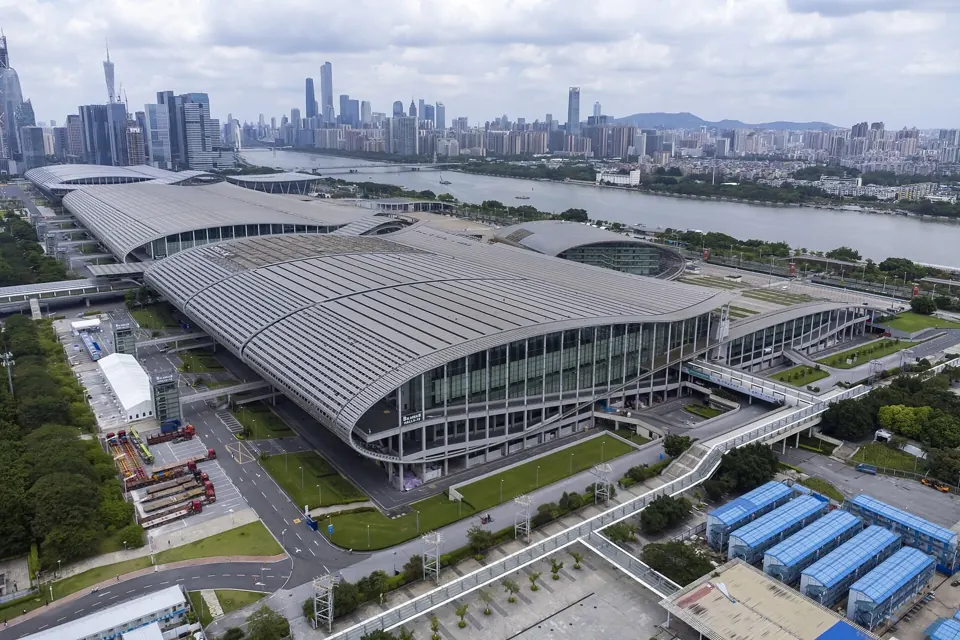
I am not a sourcing agency and I do not take commission from suppliers. I work by the day, on the ground in Shenzhen, Guangzhou and the surrounding factory towns: Canton Fair days, factory visits, supplier meetings and interpreting, with written notes afterwards. You keep the supplier relationship and pay the factory directly.
That suits buyers who want to run their own sourcing but need a person in China for the days that matter. If you need a full-service agent to manage production for months, I will tell you so. Details are on the business in China page and the Canton Fair support page.
Sources and how this guide was checked
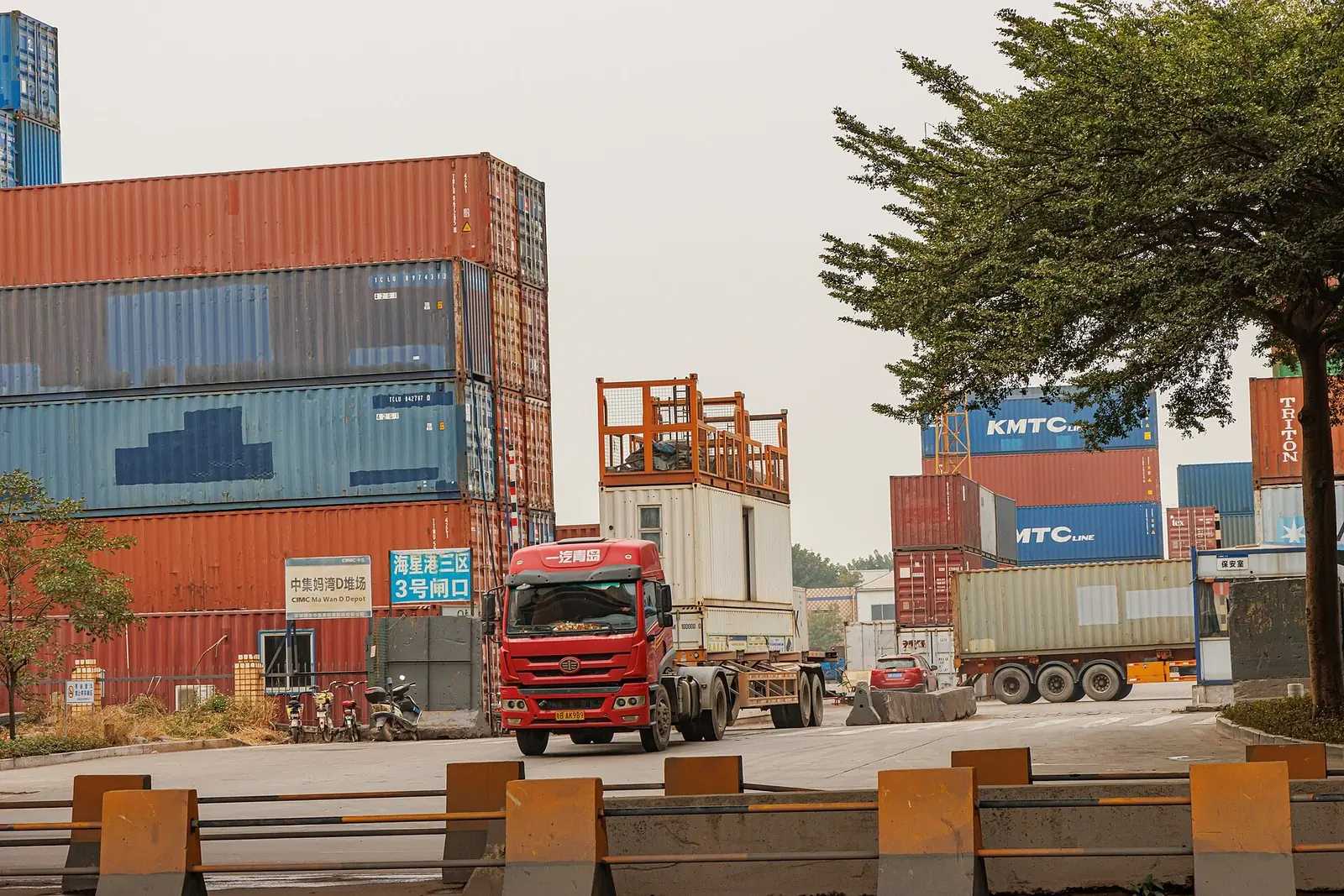
Fee ranges describe common market practice rather than official tariffs. Verification steps follow official registries and the U.S. Commercial Service guidance on due diligence. Lead photo: Dinkun Chen, CC BY-SA 4.0, via Wikimedia Commons.
- U.S. International Trade Administration: Perform due diligence — background checks on foreign partners.
- National Enterprise Credit Information Publicity System — official Chinese company registry (in Chinese).
- Alibaba.com: Trade Assurance guide — what platform payment protection covers.
