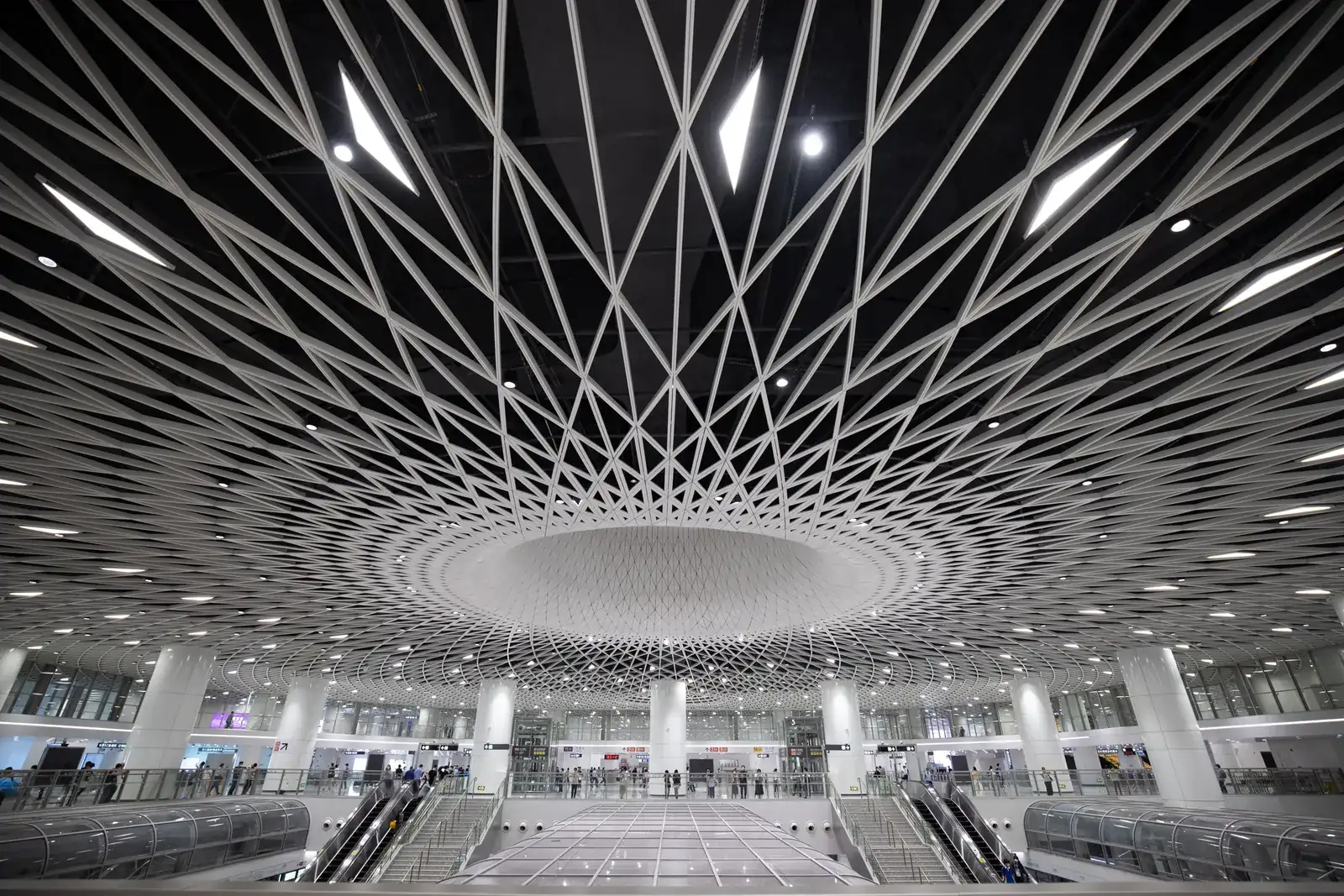
In this guideShow
Shenzhen’s train stations at a glance
Shenzhen has several railway stations, and the one printed on your ticket matters: they are far apart and serve different trains. Most visitors only ever use two of them, Shenzhen North and Futian, plus Shenzhen Station in Luohu for the slower trains to Guangzhou East.
| Station | Where | Main trains | Shenzhen Metro |
|---|---|---|---|
| Shenzhen North 深圳北 | Longhua | High-speed trains to Guangzhou South, Hong Kong West Kowloon, Xiamen, Changsha, Wuhan, Beijing, Shanghai | Lines 4, 5, 6 |
| Futian 福田 | Futian (central business district), underground | High-speed trains to Hong Kong West Kowloon and Guangzhou South | Lines 2, 3, 11 |
| Shenzhen Station 深圳 | Luohu, next to the Lo Wu border crossing | C-trains to Guangzhou East and Guangzhou Station | Line 1 (Luohu), Line 9 (Renmin South) |
| Shenzhen East 深圳东 | Buji, Longgang | Mostly slower long-distance trains | Lines 3, 5, 14 at Buji |
| Shenzhen Airport 深圳机场 | Under Terminal 3 of Bao’an airport | Guangzhou–Shenzhen intercity line | Line 11 (Airport) |
The Chinese name is what you will see on your ticket, the departure boards and in DiDi. Save it, because “Shenzhen” on its own can mean three different stations.
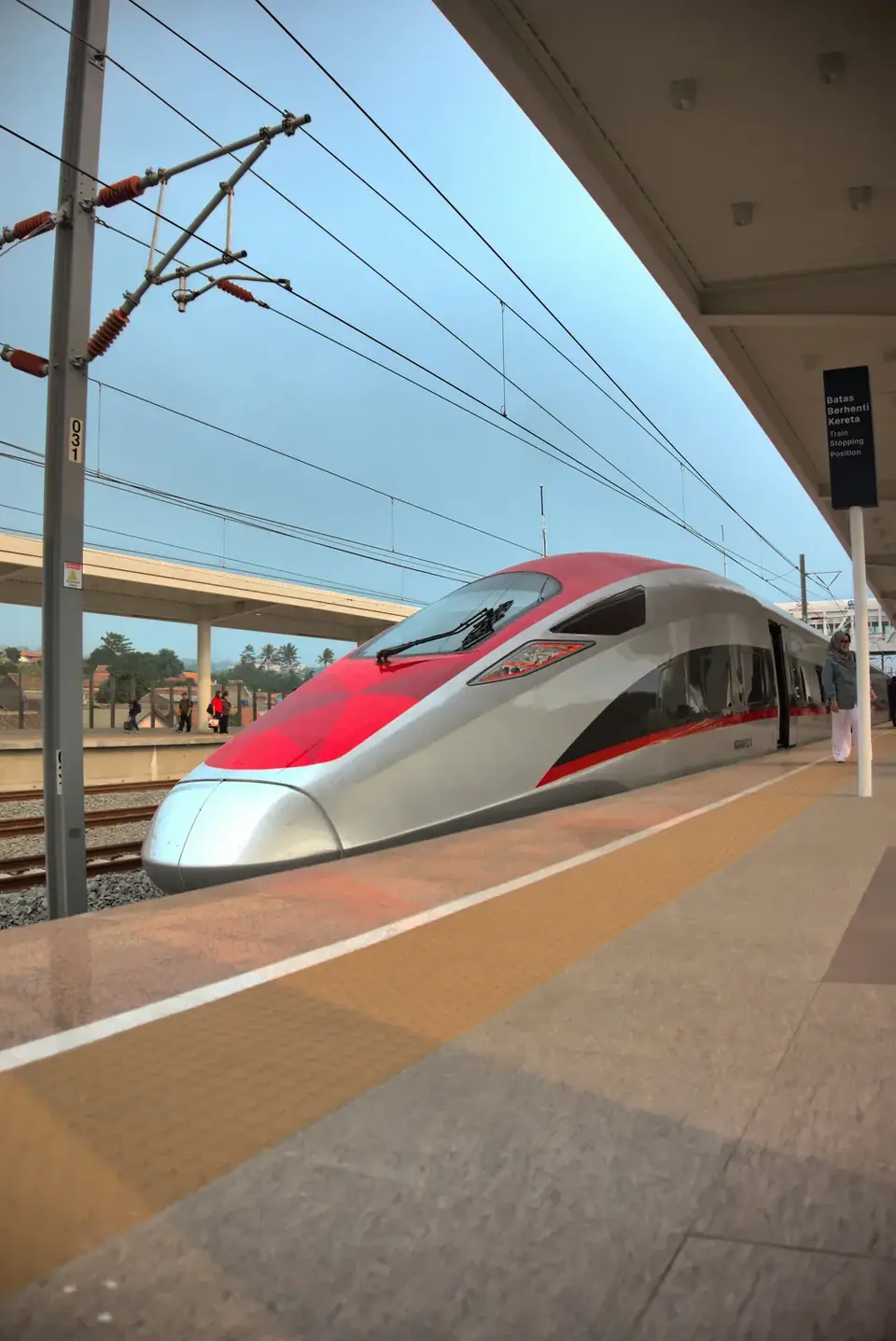
Shenzhen North Railway Station (深圳北站): the main high-speed hub
Shenzhen North in Longhua district is the city’s biggest high-speed hub, about 9 km north of the centre. Trains run from here to Guangzhou South in roughly half an hour, to Hong Kong West Kowloon, and on to Xiamen, Changsha, Wuhan, Beijing and Shanghai. Three metro lines meet at the station: Line 4 runs south to Futian and the Hong Kong border, and Lines 5 and 6 connect it with other parts of the city.
It is also one of the busiest stations in the country: about 126 million passengers passed through in 2025, third among China’s railway stations, and the timetable plans more than 800 high-speed train movements a day. Expect a station the size of an airport terminal, with separate entrances, security lines and a long walk to some platforms.
To the Hong Kong border: Metro Line 4 runs from Shenzhen North straight to Futian Checkpoint (the land border to Lok Ma Chau) without changing trains, in under half an hour. If you hold a train ticket to Hong Kong West Kowloon instead, stay in the station: immigration for that journey happens at West Kowloon.
Use it when: you are going anywhere beyond Guangdong, or to Guangzhou South with the widest choice of departures. Allow 30–40 minutes by metro from Futian or Nanshan, more at rush hour.
Futian Railway Station (福田站): central trains to Hong Kong
Futian station sits right under the central business district and is built entirely underground. It is the last mainland stop on the Guangzhou–Shenzhen–Hong Kong Express Rail Link, so it is the most central place to catch a high-speed train to Hong Kong West Kowloon or to Guangzhou South. Metro Lines 2, 3 and 11 stop inside the complex.
Why it is useful: selected trains reach Hong Kong West Kowloon in about 14 minutes, and Line 11 runs from Futian to Shenzhen Bao’an Airport, so you can go from the airport to a Hong Kong train without a taxi. Not every high-speed train stops here, so check that your ticket says 福田.
Name trap: Futian railway station is not Futian Port. Futian Port is the land border crossing at the end of the Hong Kong MTR (Lok Ma Chau Spur Line). If you are meeting someone, send the full name. Our border crossing hours guide covers the ports.
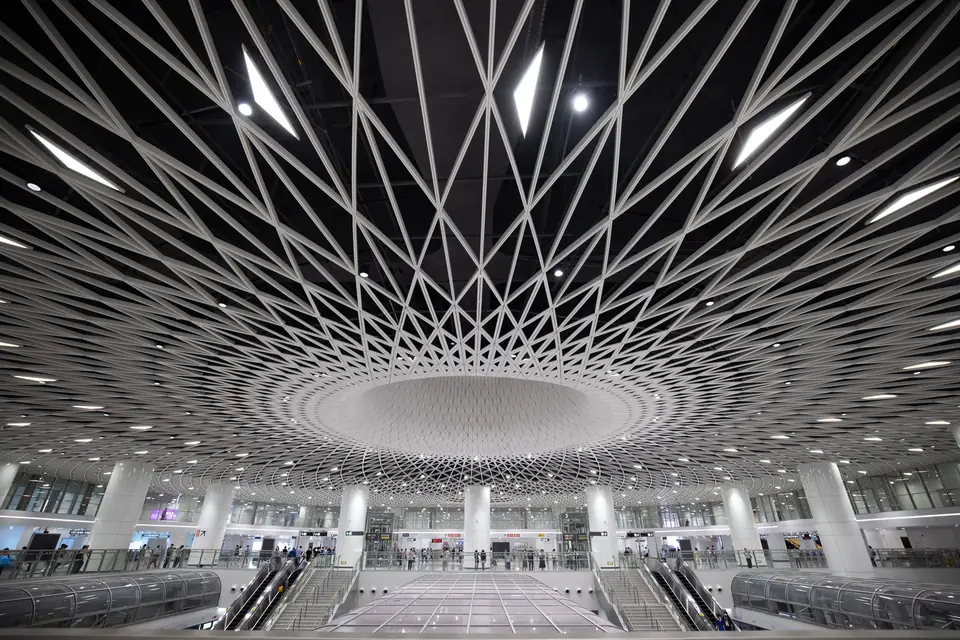
Shenzhen Railway Station in Luohu (深圳站): next to the border
Shenzhen Station, sometimes called Luohu station, faces the Lo Wu border crossing and the Luohu Commercial City mall. It is the southern end of the original Guangzhou–Shenzhen railway, with frequent C-trains to Guangzhou East and Guangzhou Station that take around one to two hours. Metro Line 1 stops at Luohu next door.
Use it when: you are staying in Luohu or arriving on foot from Hong Kong through Lo Wu, and Guangzhou East (Tianhe) is closer to your hotel than Guangzhou South.
Not the same as Shenzhen North. Shenzhen Station and Shenzhen North are about 9 km apart and serve different trains. A ticket that just says 深圳 (Shenzhen) means this station in Luohu; 深圳北 means Shenzhen North. From the station square it is a short walk to the Luohu Port building for the Lo Wu crossing into Hong Kong.
Shenzhen East and Shenzhen Airport
Shenzhen East in Buji mostly handles slower long-distance trains; most visitors never need it. Shenzhen Airport station sits under Terminal 3 of Bao’an International Airport and is the southern end of the Guangzhou–Shenzhen intercity line, which opened there in December 2019.
Other Shenzhen stations you may see on a ticket
- Guangmingcheng 光明城 in Guangming district, in the far north-west: some high-speed trains between Guangzhou South and Shenzhen North or Hong Kong stop here. Metro Line 13 and the Line 6 branch now reach it, but it is far from the centre, so only choose it if you are staying nearby.
- Shenzhen Pingshan 深圳坪山 in the east, on the Xiamen–Shenzhen railway, next to Metro Line 16. Some trains towards Huizhou, Shantou and Xiamen stop here.
- Xili 西丽 in Nanshan is planned as the second terminus of the Ganzhou–Shenzhen high-speed railway. Until it opens, those trains use Shenzhen North.

Which Shenzhen station should you use?
| Going to | Best station | Notes |
|---|---|---|
| Hong Kong West Kowloon | Futian or Shenzhen North | Futian if you are central; immigration is done at West Kowloon |
| Hong Kong by MTR (Lo Wu, Lok Ma Chau) | No train needed | Walk across at Luohu Port or Futian Port, then take the East Rail Line |
| Guangzhou South | Shenzhen North | Most departures, about 30 minutes; Futian has fewer but is central |
| Guangzhou East (Tianhe) | Shenzhen Station (Luohu) | Slower C-trains, about one to two hours |
| Xiamen, Shantou, Fuzhou | Shenzhen North | Some trains also stop at Shenzhen Pingshan |
| Guilin, Changsha, Wuhan, Beijing, Shanghai | Shenzhen North | Almost all long-distance high-speed trains |
Not sure? Check the Chinese station name on your booking before you leave the hotel. Arriving at the wrong station usually costs 40–60 minutes.
Comparing Guangzhou options in detail? See Guangzhou to Shenzhen by train.
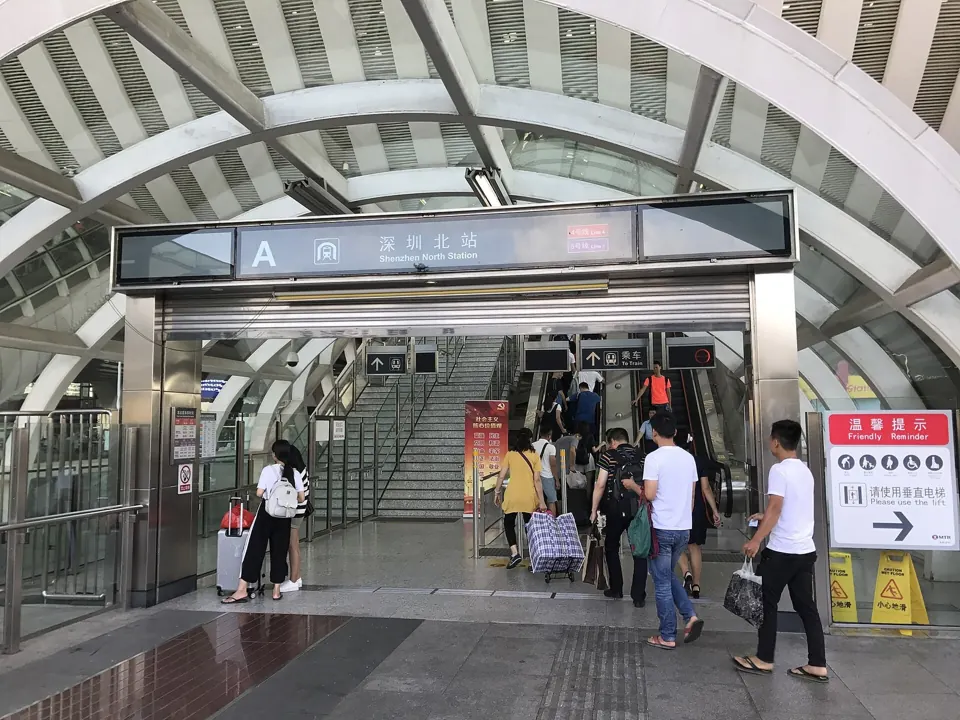
Tickets, passports and how early to arrive
- Book on 12306 (the official China Railway site and app) or an agency such as Trip.com; foreigners book with their passport.
- Your passport is your ticket. Keep it handy for the entrance check, security and the gate.
- Arrive 30–45 minutes before departure; for trains to Hong Kong, allow extra time for immigration.
- Gates close a few minutes before departure, and platforms in big stations are a long walk from security.
The China high-speed train guide explains booking on 12306 step by step, and DiDi is the easiest way to a station with luggage.
Sources and how this guide was checked
Station locations, lines and metro connections were checked against each station’s reference page; train times and tickets should be confirmed on 12306 for your date.
- Wikipedia: Shenzhen North railway station — lines, destinations and metro lines 4, 5 and 6.
- Wikipedia: Futian railway station — underground station on the Express Rail Link, metro lines 2, 3 and 11.
- Wikipedia: Shenzhen railway station — Luohu location, Guangzhou–Shenzhen railway, metro lines 1 and 9.
- Wikipedia: Shenzhen East railway station — mostly non-high-speed services, Buji metro lines 3, 5 and 14.
- Wikipedia: Shenzhen Airport railway station — under Terminal 3, intercity terminus since December 2019.
- China Railway 12306 — official timetables and tickets.
