This guide is the version I give my own guests: what’s actually worth your time, what to skip, where to stay, what to eat and how to move around — with the practical China-specific stuff (payments, apps, borders) linked at the end. Two full days cover the essentials; three let you breathe.
Is Shenzhen worth visiting?
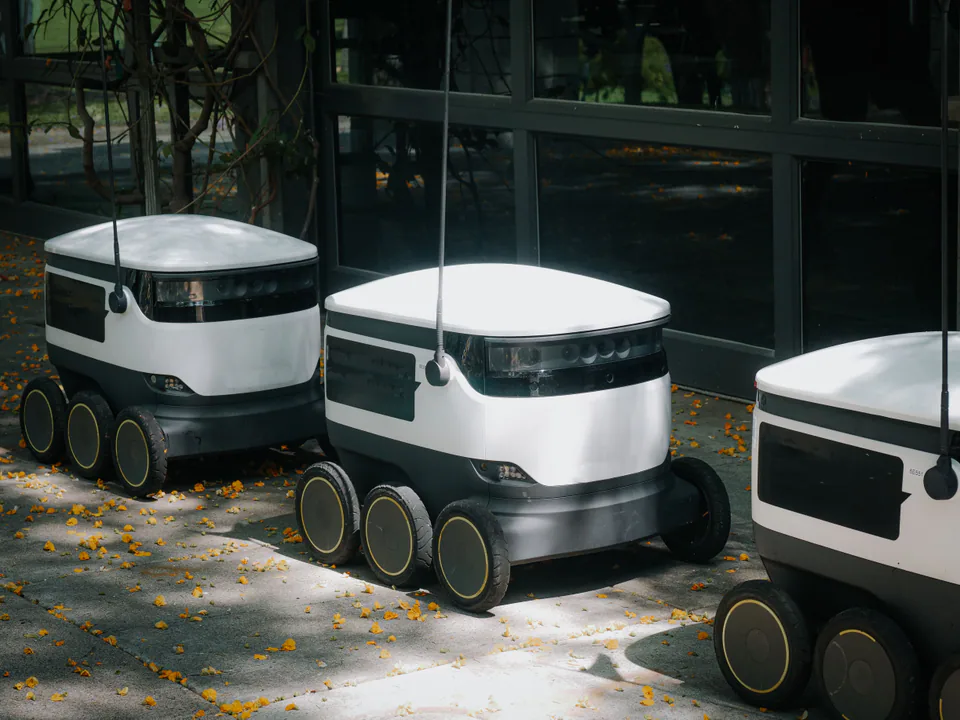
Yes, if you want to understand modern China rather than collect only ancient landmarks. Shenzhen combines one of the world’s strongest technology and design scenes with excellent regional food, subtropical parks, beaches and easy rail links to Hong Kong and Guangzhou. Two days are enough for the skyline, electronics markets, creative districts and waterfront; a third opens the east-coast beaches.
Top things to do in Shenzhen
Huaqiangbei — the world’s biggest electronics market
Whole tower blocks of components, gadgets, drones, LEDs and repair stalls — SEG Plaza alone has floor after floor of stands where you can watch a phone being rebuilt in minutes. Even if you don’t buy anything, it’s the best free spectacle in the city. Come on a weekday morning if you want to see the trade side at work, and haggle politely if you do buy (start around half the asking price for no-brand goods). Metro: Huaqiangbei or Huaqiang Rd, 1–3 hours.
Ping An Finance Centre & the Futian skyline
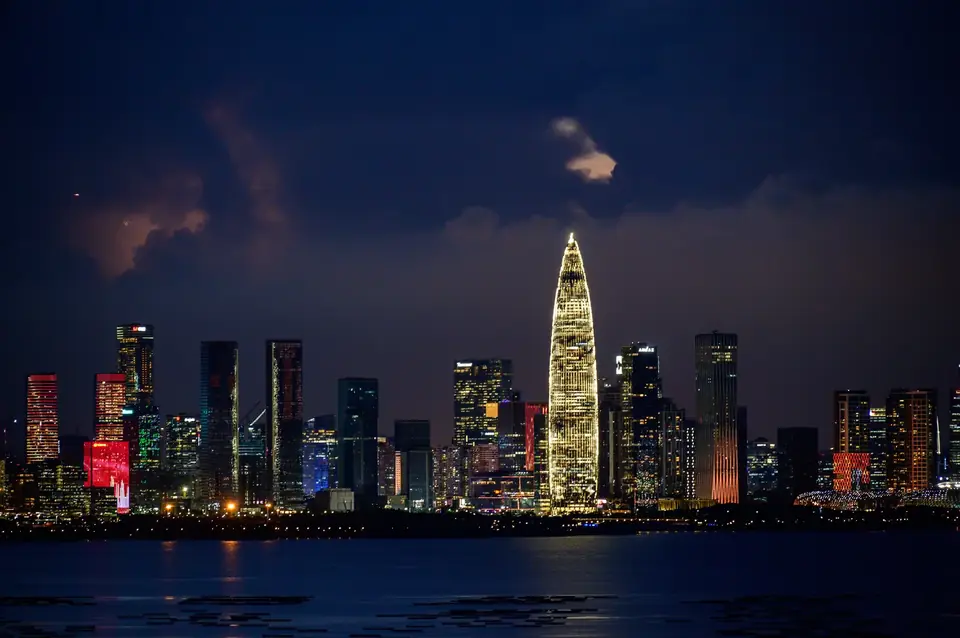
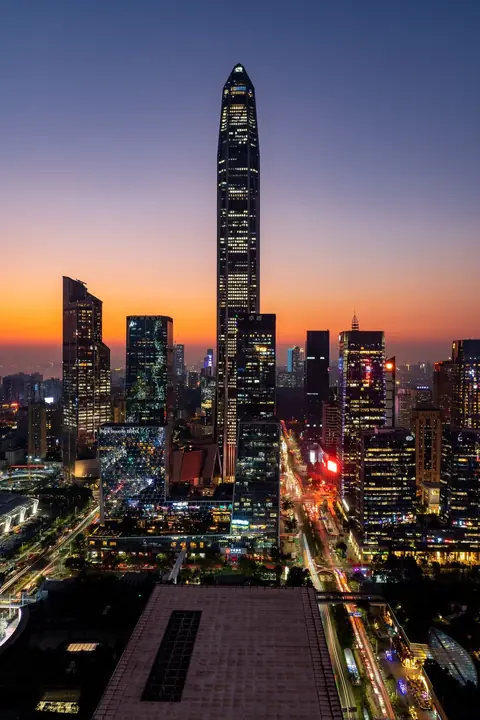
At 599 m, Ping An is one of the tallest buildings on earth, and its Free Sky observation deck on the 116th floor gives you the whole delta on a clear day — book a late-afternoon slot so you catch daylight, sunset and the city lights in one visit. The classic free alternative: the skyline viewed from Lianhuashan Park (below) at dusk, when the towers light up.
OCT-LOFT creative district
A 1980s factory complex converted into galleries, independent bookshops, design studios and some of the city’s best coffee. It’s the counter-argument to “Shenzhen has no culture” — low-rise, leafy and walkable. Weekends often bring a small creative market. Pair it with lunch and a slow afternoon; it’s the one place in Shenzhen where hurrying misses the point. Metro: Qiaocheng East.
Lianhuashan Park & the Deng Xiaoping statue
The hilltop statue of Deng Xiaoping — the man who declared Shenzhen a Special Economic Zone in 1980 and set all of this in motion — looks out over the skyline he made possible. The climb is an easy 20 minutes past kite-flyers and families; go for sunset and stay while the towers light up. Free, and my single favourite viewpoint in the city.
Shenzhen Bay Park & Shenzhen Talent Park
A 13 km waterfront ribbon looking across the water to Hong Kong’s hills. Locals cycle, skate, fish and picnic here every evening; rent a shared bike and roll along the shore, ending at Talent Park’s lakes as the lights come on. This is where you see everyday Shenzhen — young, outdoorsy and completely unbothered about tourists.
Dameisha, Xiaomeisha & the east coast
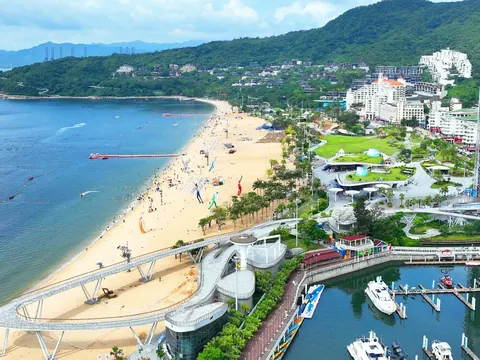
Yes, Shenzhen has real beaches. Dameisha is free, sandy and busy on summer weekends; Xiaomeisha is smaller and tidier. Further east, the Dapeng peninsula hides fishing villages, an old walled town and quiet coves — a genuine day trip if you have three days or more. Swimming season runs roughly May to October.
Worth adding if you have time
- Dafen Oil Painting Village — the neighbourhood that once painted half the world’s replica art, now full of working studios; you can commission a portrait in a day or two.
- Wutong Mountain — Shenzhen’s highest peak (944 m); a half-day hike with a skyline payoff.
- Sea World, Shekou — waterfront dining district around a landlocked ship; easy evening out in Nanshan.
- Skip unless you’re curious: Window of the World and Splendid China are kitschy miniature parks — fun with kids, skippable otherwise.
Neighbourhoods, quickly
Futian is the central business district — the skyline, Huaqiangbei, the main HSR station and the metro hub. Nanshan is tech and coast: OCT-LOFT, Shenzhen Bay, the university area and Shekou’s waterfront. Luohu is the older downtown by the original Hong Kong border crossing — markets, older streets and cheaper hotels. Bao’an is mostly airport and industry; you’ll pass through rather than stay.
Where to stay
First visit, no car: Futian, near a Line 1/3/4 interchange — you’re 15 minutes from almost everything and 14 minutes from Hong Kong by rail. Slower pace: Nanshan around OCT or Shekou — greener, closer to the coast, great cafés. Budget: Luohu has solid four-star hotels at three-star prices, at the cost of a slightly older neighbourhood. International chains here are noticeably cheaper than the same brands in Hong Kong, which is one reason the day-trip crowd increasingly stays a night or two.
What to eat
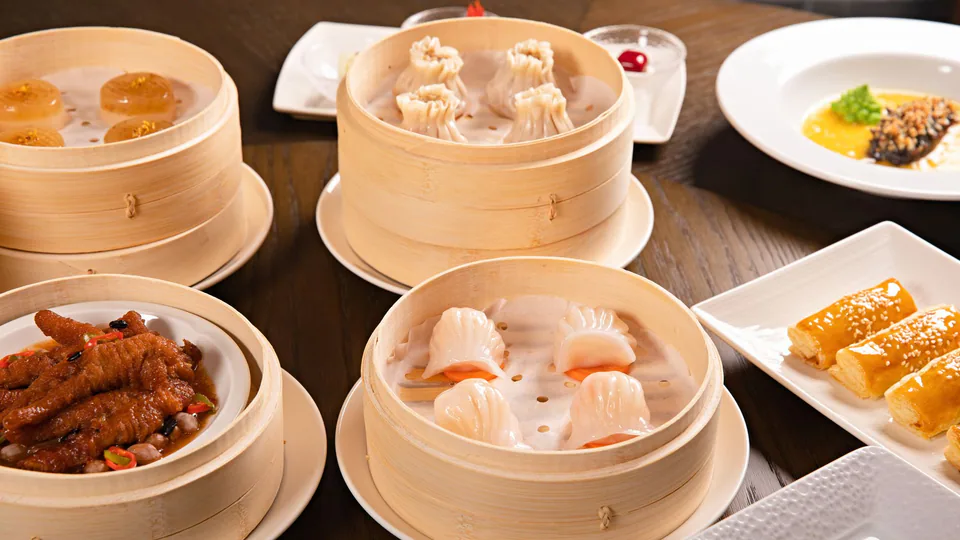
Shenzhen is a city of migrants, so it eats everything China eats. Priorities: Cantonese dim sum (go at breakfast or lunch — it’s a daytime meal here), Chaoshan beef hot pot (the local region’s pride: paper-thin cuts swished for seconds in clear broth), Sichuan or Chongqing hot pot if you want fire, Hunan for smoky spice, and seafood in Shekou or by the east coast, picked live from tanks. Between meals, graze: bakeries, bubble tea, and night-market skewers, noodles and tropical fruit.


A simple 2–3 day itinerary
With kids, swap Huaqiangbei for Window of the World or the beach, and add the science museums — Shenzhen is one of the easiest Chinese cities for families: clean, safe, stroller-friendly metro, parks everywhere.
Getting around
The metro is one of the world’s largest networks — fast, cheap (most rides ¥2–7), air-conditioned and fully signposted in English. Add the transport QR code inside Alipay and you tap through the gates with your phone. Didi (China’s Uber, bookable inside Alipay too) is plentiful and honest with pricing. From Hong Kong: the high-speed train from West Kowloon reaches Futian in about 14 minutes, or cross on foot at Luohu or Futian checkpoint from the MTR — details in the day tour guide. Taxis exist but Didi is easier; nobody expects tips.
When to go
Shenzhen is subtropical: October to December is the sweet spot — dry, sunny, 20–28 °C. January–February is mild but can be grey; March–May turns warm and humid; June–September is hot, wet and occasionally brushed by typhoons (indoor days happen, and the city handles them routinely). Avoid Chinese New Year (Jan/Feb, dates shift) and Golden Week (first week of October) unless you enjoy crowds — though CNY has its own charm as the city empties.
Practicalities
Visa: many EU, UK and Canadian passport holders can enter mainland China visa-free for up to 30 days through 31 December 2026 — but this depends on nationality and can change, so verify before you travel. Payments: set up Alipay and WeChat Pay before you land — cash and foreign cards are rarely useful. Internet: Google, WhatsApp and Instagram are blocked on local networks, so plan an eSIM or local SIM and, if needed, a VPN installed before arrival. Safety: many visitors experience low levels of everyday street crime, while strict local laws and road traffic still require attention. Read the balanced China travel safety guide and the full preparation checklist.