In this guideShow
Hong Kong is superbly documented, so this guide keeps the classics tight and spends its energy where I can add real value: how the city pairs with the mainland, what changes at the border, and how to build a delta trip where Hong Kong is the beginning rather than the whole story.
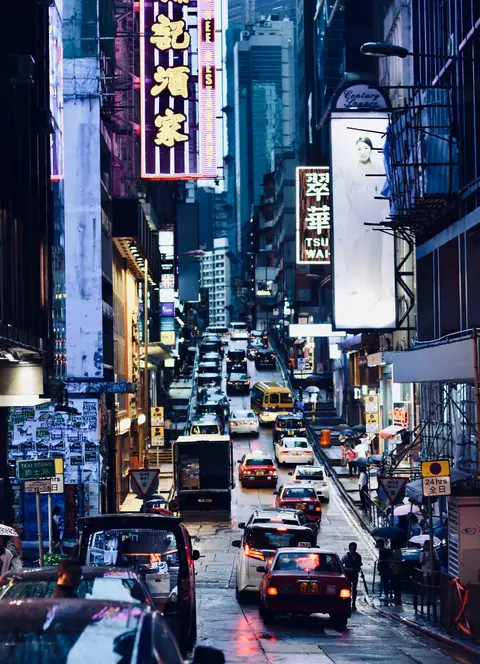
Top things to do in Hong Kong
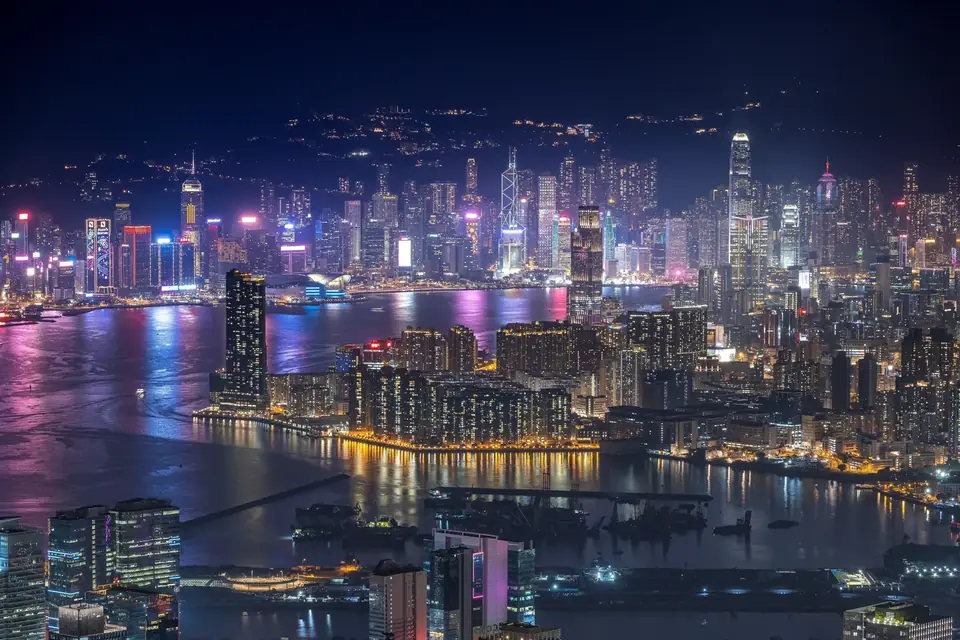
Victoria Peak
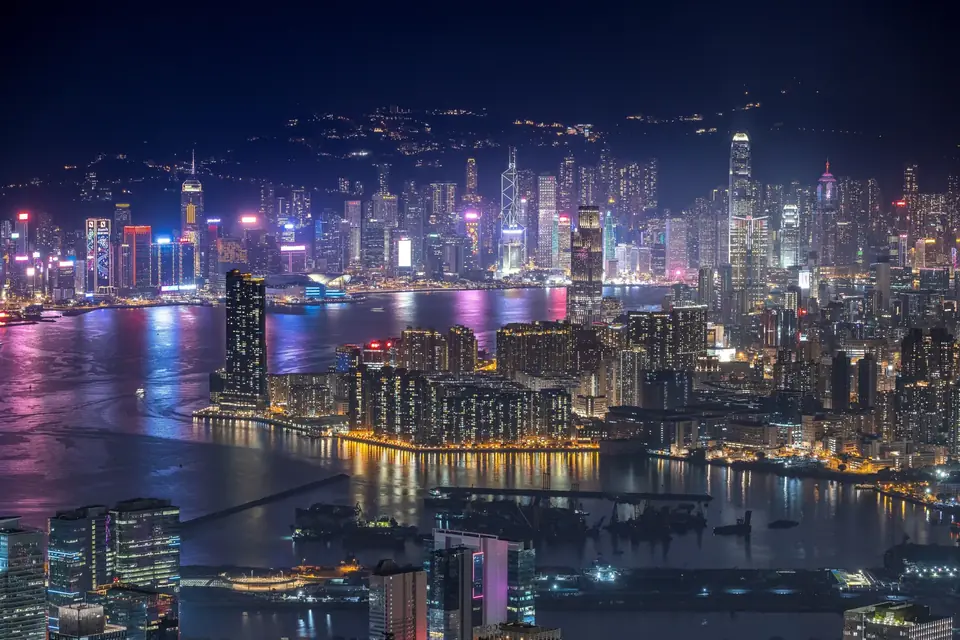
The definitive skyline view. Take the Peak Tram up (book online, or queue — it’s popular) or the no. 15 bus for the scenic budget route, and time it for just before dusk so you get daylight, sunset and the lights in one visit. The Lugard Road loop from the top is a flat, easy 60-minute walk with the best free angles.
The Star Ferry
A harbour crossing that has run since 1888 and still costs pocket change. Ride it at night from Tsim Sha Tsui to Central when the skyline is lit — it beats most paid attractions in the city and takes ten minutes.
Temple Street & Sham Shui Po
Kowloon’s night markets and the city’s grittier, tastier side. Temple Street brings hawkers, fortune tellers and clay-pot rice; Sham Shui Po is the local favourite — fabric and electronics streets by day, some of Hong Kong’s best cheap food all the time. Go hungry.
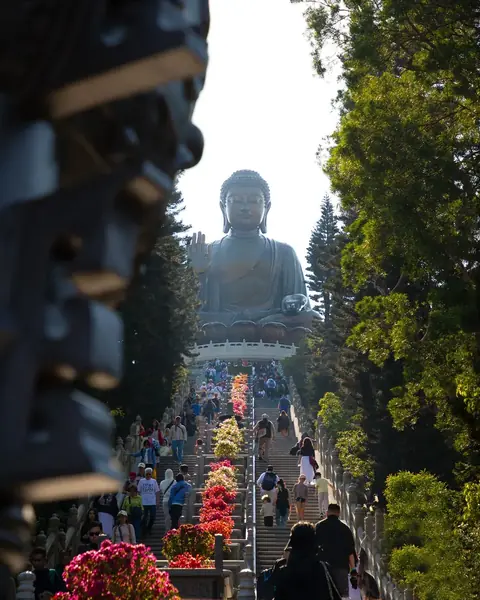
Tian Tan Big Buddha & Lantau
The 34 m bronze Buddha above Ngong Ping is worth the half day: ride the 25-minute cable car (glass-bottom if you dare), climb the 268 steps, and eat the monastery’s vegetarian lunch. Crowds thin after 15:00.
Central, SoHo & the escalators
The world’s longest outdoor escalator system climbs through the Mid-Levels past bars, galleries and antique shops. Come in the late afternoon, ride up, and walk down through SoHo as it wakes up for the evening.
Dim sum — the daytime institution
From old-school trolley tea houses to Michelin-starred rooms where the bill stays friendly, dim sum is Hong Kong’s gift to breakfast and lunch. Locals don’t do it for dinner — plan it before 15:00. Order shrimp dumplings (har gow), siu mai and char siu bao as your baseline, then get adventurous.
Beyond the classics
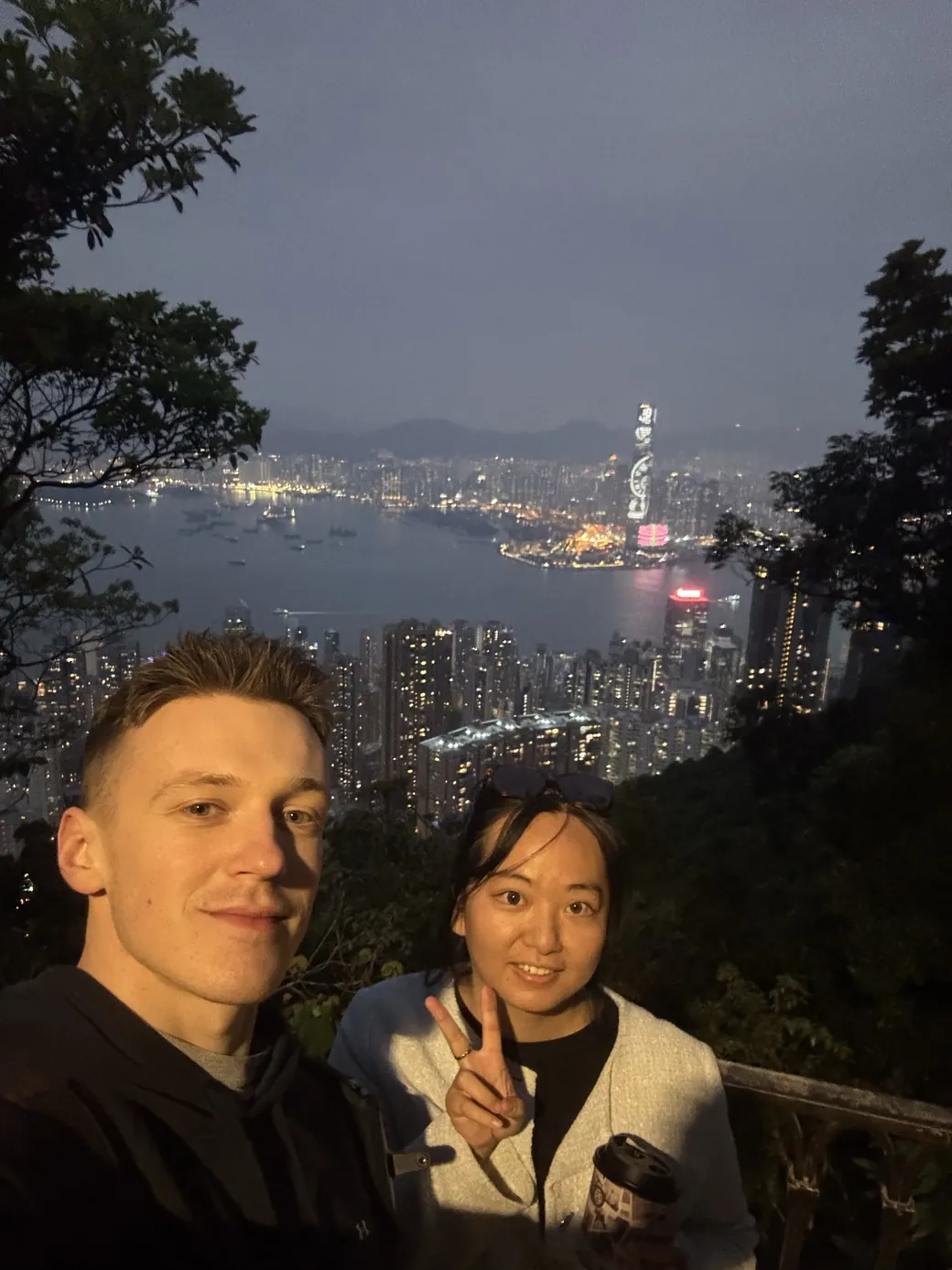
With an extra day, Hong Kong opens up fast. The Dragon’s Back is the famous city hike — ridge views over beaches and islands, two to three easy hours, ending at Big Wave Bay for a swim. Cheung Chau and the outlying islands are car-free fishing communities thirty ferry-minutes from Central — seafood lunch, temple, beach, done. The M+ museum in West Kowloon is Asia’s answer to the Tate Modern, with a harbour-facing façade that doubles as an art screen at night; nearby, the Kowloon Walled City Park marks the site of the demolished anarchic city-within-a-city — quiet gardens now, wild history on the info boards.
What to eat beyond dim sum
Hong Kong eats around the clock. Roast goose and char siu hang in shop windows across Central and Sham Shui Po; wonton noodles come in tiny bowls at decades-old specialists; a cha chaan teng (Hong Kong-style diner) serves milk tea, pineapple buns and macaroni soup with ham — the city’s comfort food, born of the colonial mash-up. After dark, find a surviving dai pai dong (open-air cooked-food stall) for wok-fried clams and beer at folding tables, and finish with an egg waffle on the walk home. Street-food budget: a very good food day here costs less than one hotel cocktail.
A simple 2-day itinerary
Where to stay
Tsim Sha Tsui (Kowloon) gives you the skyline view across the harbour, the Star Ferry at your door and the widest hotel range. Central/Sheung Wan puts you among the island sights and nightlife at a premium. Mong Kok is cheaper, chaotic and very local. If your plan continues into Shenzhen, note that the same hotel brands cost noticeably less on the mainland side — some travellers split the stay across both cities.
Getting around
The Octopus card (or its app version) covers the MTR, buses, trams, ferries and most convenience stores — get it first. The MTR is fast and bilingual; the old double-decker trams on the island are slower but half the fun at HK$3. Taxis take cash and increasingly cards; Uber works too. From the airport, the Airport Express reaches Central in 24 minutes.
Carrying on to the mainland
Hong Kong and mainland China are separate systems — different visas, different payment apps, different internet. Crossing to Shenzhen takes as little as 14 minutes by high-speed rail from West Kowloon to Futian, or you can ride the East Rail line to the Luohu or Lok Ma Chau land borders — both straightforward on foot. If you only have a day, see the Shenzhen day tour from Hong Kong; for more, the three-city tour links Hong Kong, Macau and Shenzhen, and the Greater Bay Area tour goes deeper still.
When to go
October to December is prime: dry, clear and 20–26 °C — the Peak actually has a view. March–May is warm with fog rolling in some mornings; June–September is hot, humid and typhoon season (indoor plans B are wise). December is festive and cool. As on the mainland, avoid Golden Week (early October) and Chinese New Year if crowds bother you.
Practicalities
Visa: most Western nationalities enter Hong Kong visa-free for 90–180 days; mainland China has separate rules (30-day visa-free entry for many passports through 31 December 2026 — check yours). Payments: Hong Kong takes cards and Octopus almost everywhere — but the mainland runs on Alipay/WeChat Pay, so set those up before crossing. Internet: the open internet works normally in Hong Kong; restrictions begin at the border. Language: English is an official language — signage, menus and most service staff are bilingual. Full mainland checklist in the preparation guide.